


Your hiking adventures can take you into close contact with poisonous plants, which you want to avoid unless you want to ruin your entire day.
These plants come in several varieties, and contact with them can be troublesome when you rub up against some or deadly if you eat others. Understanding these plants and what they can do to you will certainly make you want to avoid contact of any kind. Let’s take a look at various plants you want to stay away from so that you can stay safe during all of your hiking adventures.
Poison Oak is a Common Sight
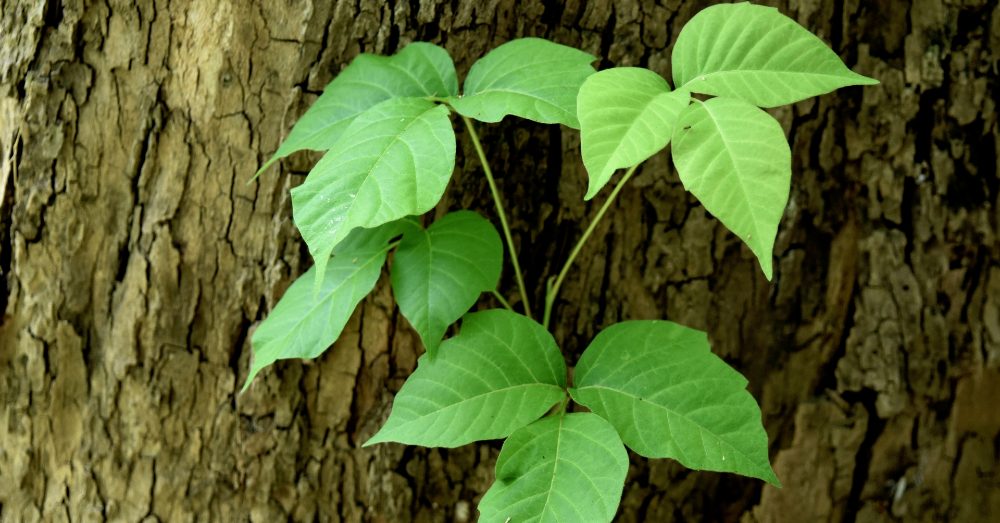
“Leaves of Three; Let it Be” is an old saying that rings true for Poison Oak. This plant grows wild among most forests and woodlands in North America, giving us a common plant we want to avoid. The leaves appear to be similar to oak tree leaves, but they secrete an oil that makes many people itchy when they come in contact with this plant. The leaves are often green but can also be bright red during some seasons. Avoid this plant and avoid the itch that comes with it.
Poison Ivy, Another Extremely Common Itchy Monster
It’s hard to find anyone in this country that hasn’t had some contact with Poison Ivy at some time or another. Once again, this plant has leaves that grow in threes, which means you should avoid it. This is easily one of the most common poisonous plants in the country, and it causes painful rashes. The leaves are shaped like almond nuts but don’t pick them because they could be the plant that ruins your hiking adventure and causes you to look for alternative trails the next time.
Avoid Anemones, They are Pretty but Harmful
Anemones are pretty white wildflowers with yellow centers that attract many people to pick them and give them to another person. Unfortunately, these plants are harmful in two ways. Some people react to touching the hairs on the plant, and others find they are extremely harmful when eaten. You’re better off taking a picture of these flowers to show others and leaving the plants where they are. As long as you don’t touch them, they can’t harm you.
Don’t Eat Jimson Weed
If you do get stuck when in the wilderness and need to find edible plants, avoid Jimson Weed. This plant has green or purplish leaves with jagged edges. The flowers are white or purple, and every part of this plant is dangerous when ingested. You don’t want to end up in a coma or experience some of the lesser symptoms of ingesting Jimson Weed. This is one of the many poisonous plants you want to leave where it grows and move on to other plants that are edible.
Stinging Nettles Will Get You Right Away
As soon as you touch the stinging hairs on the Stinging Nettle plant, you’ll know you want to stay away from it. These little hairs inject a chemical directly into your skin and cause rashes and itching that you don’t want to face. Strangely enough, Stinging Nettles can be eaten and used as a tea when prepared properly, but the act of harvesting can cause rash and discomfort that might make you choose not to eat this plant at all.
Poison Sumac is a Nasty Bugger
The most uncommon of the three poisonous plants with poison in the name is Sumac. This plant grows into a small tree and creates the same itchiness that Poison Ivy and Poison Oak can cause. All three produce oily substances that you want to avoid so that you can stay clear and free from the itch. Poison Sumac tends to grow near wetlands, which means you shouldn’t encounter it along most dry hiking trails. Even so, if you see this plant, you’ll want to stay away.
Stay Away From Snowberry
When searching for edible plants, the Snowberry plant looks inviting, but it isn’t. This plant grows in forested areas and has green leaves, small green-pink flowers, and snow-white berries clustered along the stems. Birds love to eat the berries of these plants, but they are toxic to humans. Eating snowberries can cause nausea, vomiting, and dizziness, none of which will make your hiking experience much fun at all. Take a few pictures of the pretty flowers and berries, but don’t eat these plants.
Buttercups are Not Edible, Regardless of the Myth
The name seems inviting and makes you think you should be able to eat this plant. In fact, in Willy Wonka and the Chocolate Factory, the Willy Wonka character ate a candy flower called a butter cup. Even so, the Buttercup plant is a shiny yellow flowering plant that’s pretty and can be touched but not eaten. You could pick a few to show off or take some pictures, but don’t eat these flowers. They are toxic and will make the rest of your hike extremely uncomfortable.
Don’t Eat the Mushrooms Along the Trail
Only a few varieties of wild mushrooms are safe for humans. The rest of them will cause severe problems for you. In fact, mushrooms are known to cause severe vomiting, bloody diarrhea, stomach cramps, liver or kidney failure, and hallucinations. Some people look for these poisonous plants for that last symptom, but it’s not worth the rest of the troubles that mushrooms can cause. Unless you’re an expert on these fungi, leave them alone and let them be eaten by the wildlife in the area.
Manchineel Tree Fruit is Deadly
The Manchineel Tree is a serious problem in some areas. This tree grows small fruits that look like apples, and the leaves of the tree also look like apple tree leaves, which causes some serious confusion, especially among children. The fruit of this tree can result in death, which has earned them the nickname “little apples of death,” which is fitting. The fruit tastes sweet and good, which can be confusing enough. Even if you know enough to avoid eating the fruit, you shouldn’t stand near this tree because contact with it can cause severe skin blistering.
Know the various poisonous plants you might find during your hike and avoid them to ensure you continue to have an enjoyable time on the trails.
