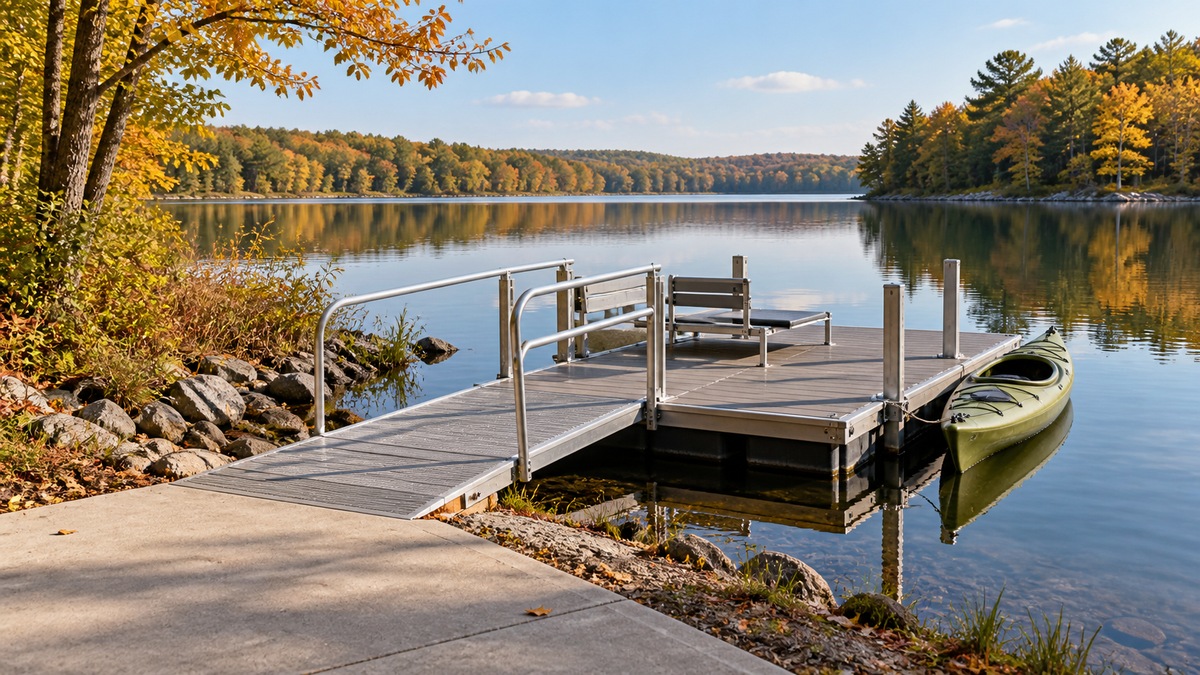
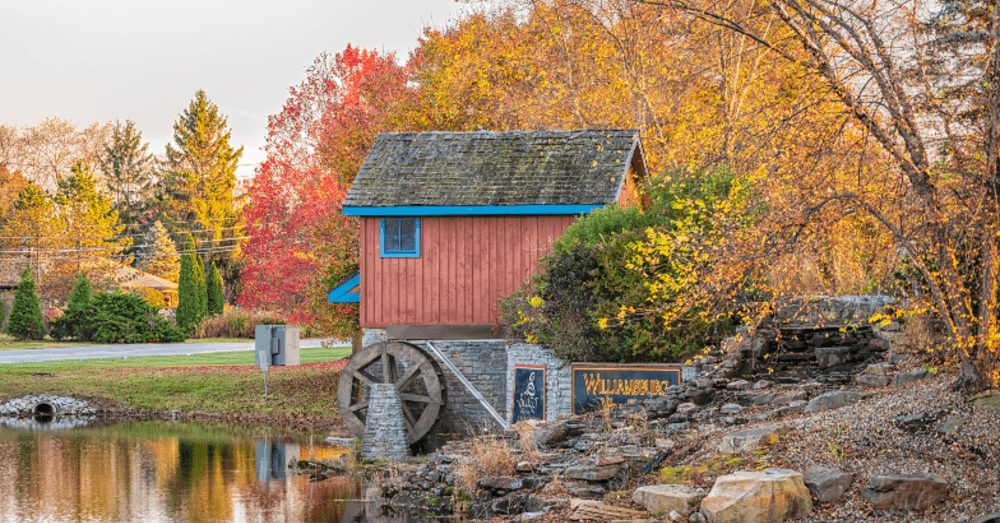
Getting onto the water at Cowan Lake State Park just got a lot friendlier, and a new footpath gives visitors another reason to slow down and stay awhile. The new launch and accessible parking lot are already open, with a public celebration for the launch and a new walking trail coming later this month.
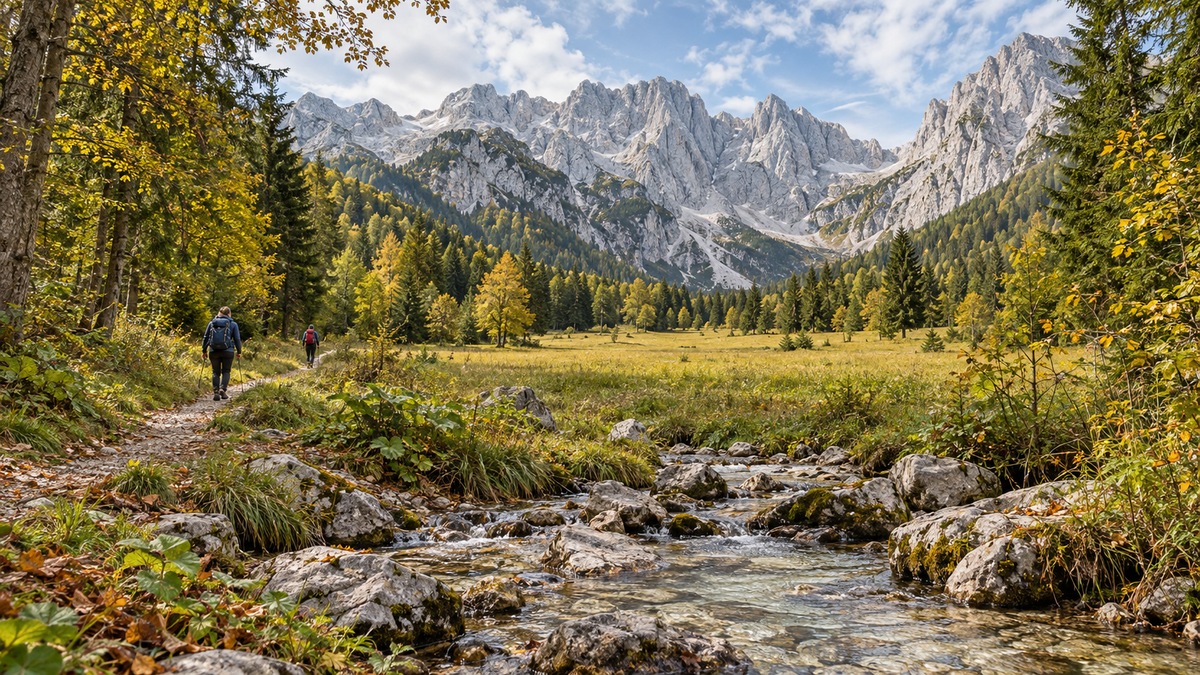
Picture a river running clear and aquamarine over pale stone, a 300-foot waterfall bursting from a cliff, and a log-cabin pub pouring wild-fermented wine before the trail climbs into the peaks. Those stops help define Slovenia’s Kamnik-Savinja Alps Water Trail, a route built around water rather than summits.
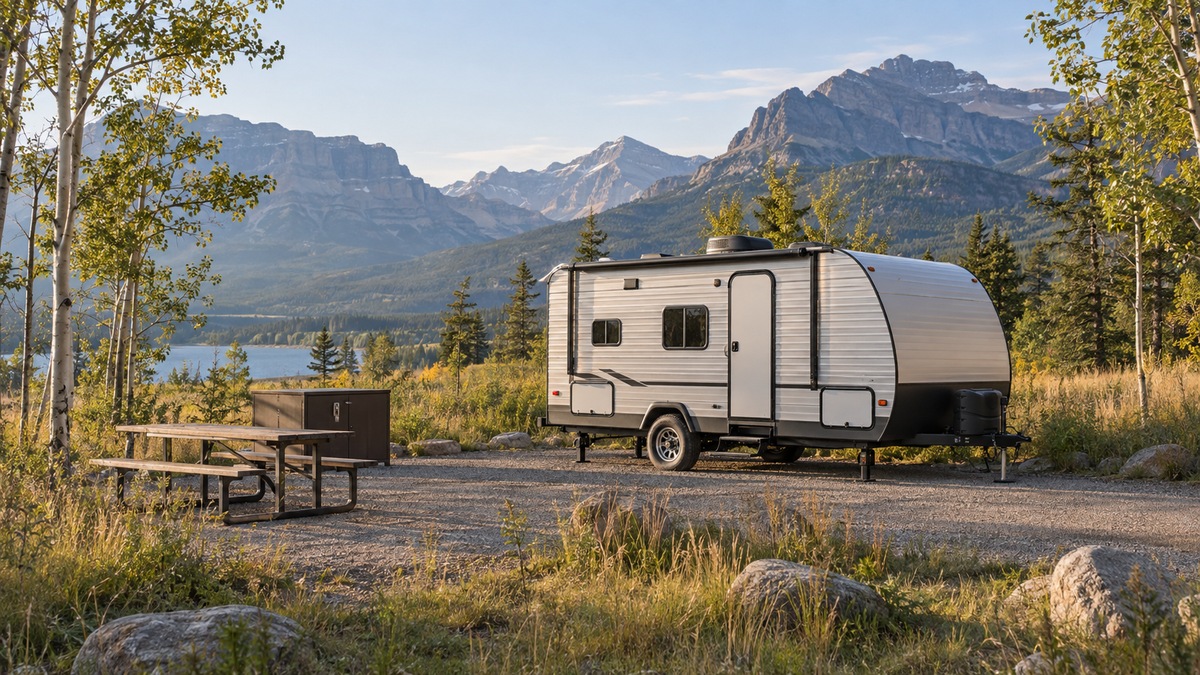
Late summer in Glacier National Park brings hungry bears working the hillsides for berries. In August 2026, increased bear activity pushed park officials to restrict St. Mary Campground to hard-sided camping, changing the options for travelers arriving with tents or soft-sided campers.
The Daypack That Got a Hiker Through a Night on Broken Hand Pass
A single wrong step on loose rock can change everything in the high country, and one Colorado hiker learned that firsthand while wrapping up a big day in the Sangre de Cristo Mountains. What kept a bad situation from becoming a fatal one had less to do with luck and more to do with what she chose to stuff into her pack that morning.
An experienced hiker injured her knee about 400 feet below the saddle of 12,585-foot Broken Hand Pass and faced a 13-hour rescue.
Two volunteer teams sent 24 responders, a helicopter, and a technical rope system to bring her down through the dark.
Warm layers, a headlamp, a bivy sack, a satellite communicator, and a charged phone all played a part in her survival.
A Routine Day Trip That Went Sideways
On July 12, the hiker had already summited two peaks and finished a high-alpine traverse. She was on her way out when she hurt her knee on loose rock below the pass. That’s a hard place to be stuck. Broken Hand Pass sits high in Colorado’s Sangre de Cristo range, and the terrain around it is steep and chossy, the kind of ground that shifts under your boots without warning.
She called Custer County Search and Rescue at 4:45 P.M. and got lucky in one big way. She happened to be standing in a spot with cell service, which is far from guaranteed in that country. That single break let her talk directly with rescuers instead of waiting blind. One responder made the point that nobody controls what happens in the backcountry, and a rock can shift under a foot at any moment.
Why the Rescue Took So Long
A Flight For Life Colorado helicopter flew four technical team members and 125 pounds of gear to the area in about five minutes. That same trip by road would have taken close to two hours on a rough four-wheel-drive track. The aircraft saved time and spared rescuers from hauling heavy packs across miles of rugged ground.
In total, 19 Custer County members and five from CCSAR responded. Ground crews hiked roughly two miles from the parking area to reach her. Moving someone who can’t walk through that kind of terrain is tough in daylight and tougher in the dark, and nearly the entire operation happened at night. Teams built a technical rope system to lower her in a litter, working carefully by headlamp. The mission finally wrapped at 6 A.M., more than 13 hours after her first call.
The Gear That Actually Mattered
This is the part worth paying attention to. She had planned only a day trip, yet she packed like someone who expected the unexpected. That decision carried her through the night.
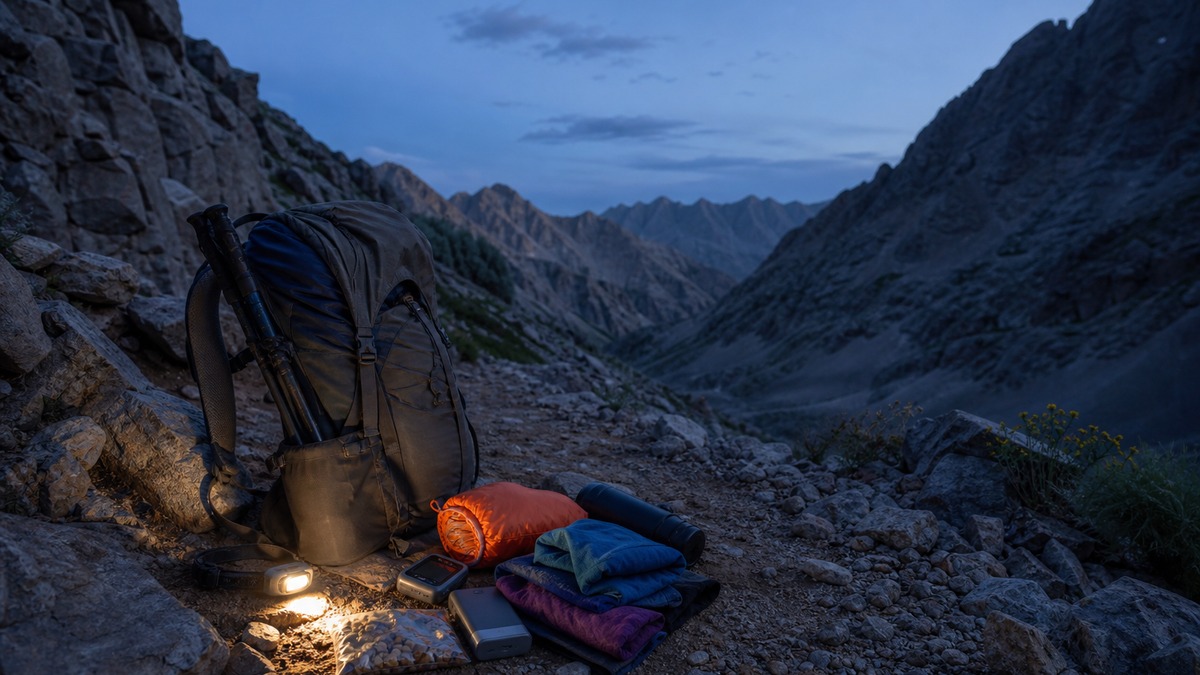
Her headlamp turned out to be one of the most valuable things she carried. Rescuers spotted her because she kept it on and could signal with it, and she could see the crews coming because their lights were on too. Warm, brightly colored layers kept her from freezing and made her easier to see from the air. An emergency bivy sack gave her a barrier against the cold and wind while she waited.
Her phone let her stay in contact, and an external battery bank kept it alive, which mattered a lot once she realized she had a signal to use. A Garmin inReach satellite communicator let her send GPS coordinates and served as a backup if the phone died. A climbing helmet protected her head on a pass known for rockfall. And extra food and water sustained her across the long ordeal.
Summer Cold Is a Real Threat
The night was clear and calm, with wildfire smoke drifting in from nearby burns, but temperatures still dropped into the upper forties despite it being mid-July. Even the rescuers felt it. One responder said she wore every layer in her pack plus a beanie, and still had to fight the chill that sets in the moment you stop moving.
That’s the lesson that sticks. You could be two miles from the trailhead, but if you can’t walk, help may be hours away, and the cold does not care what the calendar says. Preparation isn’t only for beginners. Packing a few extra layers and a way to signal for help costs you almost nothing on the days when everything goes right, and it can save your life on the one day it doesn’t.
Pack Like the Weather Might Turn on You
The takeaway from Broken Hand Pass is simple enough to act on before your next outing. Treat every day hike in the alpine like it could turn into an overnight one. Carry light, warmth, a way to call out, and a way to be seen. Those small items rarely feel necessary until the moment they’re the only thing standing between a scary story and a tragic one.
A quiet regulatory vote in Arizona has put one of the most photographed water sources in the country under a new kind of scrutiny, and the ripple effects reach far past the canyon rim. If you drink from wild water anywhere, this story is worth your attention.
Arizona raised the allowable arsenic level in a monitoring well near the Grand Canyon from 50 to 55 micrograms per liter.
The EPA drinking water standard for arsenic is just 10 micrograms per liter because of cancer risk.
Standard backpacking filters catch bacteria but do nothing to remove dissolved heavy metals like arsenic.
What Actually Happened Near the Canyon
On July 6, 2026, the Arizona Department of Environmental Quality voted to let the Pinyon Plain uranium mine raise the acceptable arsenic level in one of its monitoring wells. The number moved from 50 to 55 micrograms per liter. That may sound small, but the original ceiling was already five times the federal drinking water limit. The EPA caps arsenic in drinking water at 10 micrograms per liter, and for good reason. Long exposure has been linked to bladder, lung, skin, kidney, liver, and prostate cancers.
The Pinyon Plain Mine sits about seven miles south of Grand Canyon National Park. It was built in the eighties, covers 17 acres, and runs nearly 1,500 feet deep. The bigger concern is what lies beneath it. The mine sits on top of the Redwall-Muav aquifer, the sole water source for the Havasupai people and the origin of Havasu Creek. That creek feeds the famous turquoise waterfalls that draw as many as 40,000 visitors a year.
Why the Numbers Have People Worried
Monitoring wells work like early warning systems. Amber Reimondo, energy director for the Grand Canyon Trust, described them as the canaries in the coal mine. Arsenic increases first showed up in January 2025, and the well exceeded its permitted alert level four separate times. Critics argue that when alarms keep going off, the right response is a hard look at the cause, not raising the threshold so the alarms stop ringing.
State regulators see it differently. An ADEQ spokesperson said more than four and a half years of site data show the mine is not adding arsenic to the groundwater. Instead, they say the mineshaft creates a hydraulic sink that pulls naturally occurring arsenic from the surrounding rock toward the wells. Adjusting the limit, in their view, reflects that geological reality rather than new pollution.
Scientists remain cautious because the hydrology here is genuinely hard to map. Recent research using dye tracers showed water traveling long distances between the shallow Coconino aquifer and the deeper Redwall-Muav system, proving the two are connected in more places than once assumed. Water that gets contaminated at one point can move both sideways and down, which makes it tough to predict where trouble ends up. Federal reviews by the U.S. Geological Survey and the EPA concluded that more study is needed before anyone can say the site is safe.
The Lesson for Anyone Who Drinks Wild Water
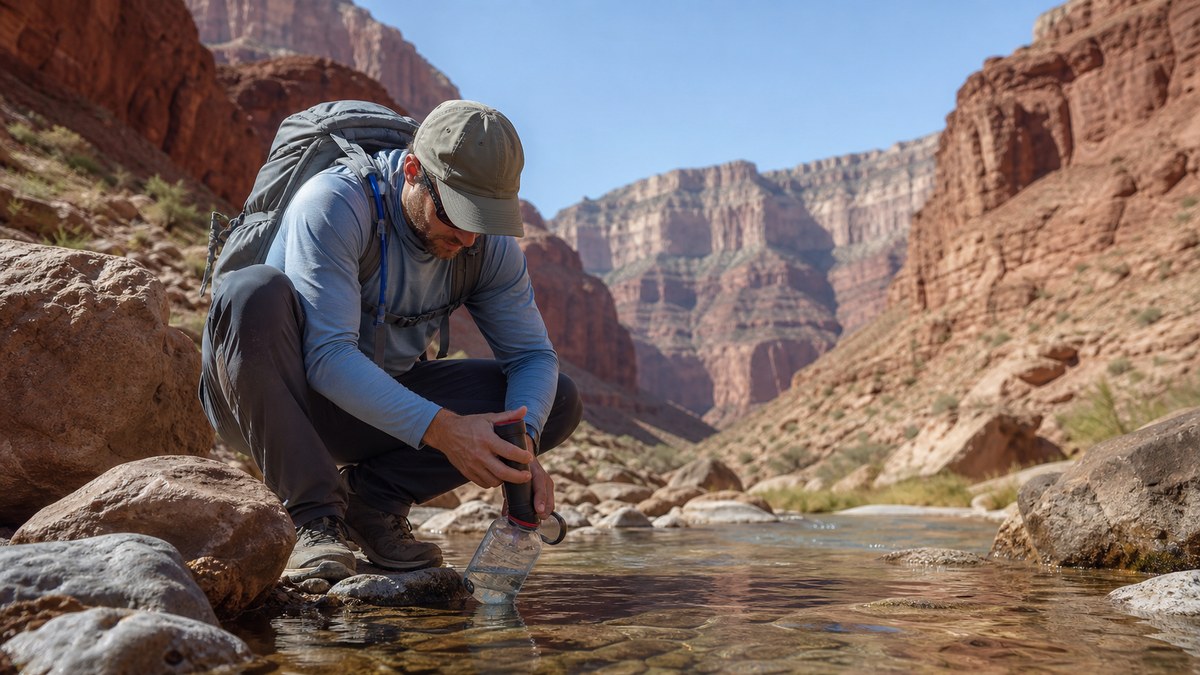
Here is the part that matters whether you live near the canyon or thousands of miles away. Most hikers trust a pump or squeeze filter to make backcountry water safe. Those filters handle bacteria and protozoa well. They do almost nothing against dissolved heavy metals like arsenic, lead, or uranium. You can filter a liter until it looks crystal clear and still be drinking something that hurts you over time.
This is not only a Southwest issue. Old mining districts, industrial sites, and even natural rock formations can leach metals into streams across the country. Backpackers heading out from places like Muncie, IN often assume clean-looking water is safe water, and that assumption travels with them to bigger trips out West. The habit of checking the ground you walk over, not just the water in front of you, is a good one to build anywhere.
Simple Habits That Keep You Safer on the Trail
You do not need a chemistry degree to travel smarter. Learn the mining and industrial history of the areas you visit, since land agencies and local advocacy groups often publish water quality notes. When metals are a known risk, reverse osmosis or specialized filtration is the only reliable answer, and carrying enough water in from a trusted source often beats gambling on a questionable spring. Pay attention to signage, and treat posted warnings as real rather than bureaucratic noise.
The canyon fight is still unfolding, and the Havasupai and several conservation groups continue to push back. For the rest of us, the takeaway is quieter but useful. Water that looks pure can carry things no ordinary filter removes, so a little research before a trip protects you long after you have packed up and gone home.
Hoosiers who love trading screen time for tree time just got a reason to celebrate. Starting July 1, 2026, two northern Indiana state forests will join the state parks system, adding more than 1,400 acres of woods, water, and trails for everyone to enjoy.
The next wave of outdoor gear looks refreshingly practical. Based on Treeline Review’s report from the Outdoor Market Alliance winter 2026 preview, brands are putting more thought into everyday problems like messy packs, hard to fix gear, and products that get retired too soon.
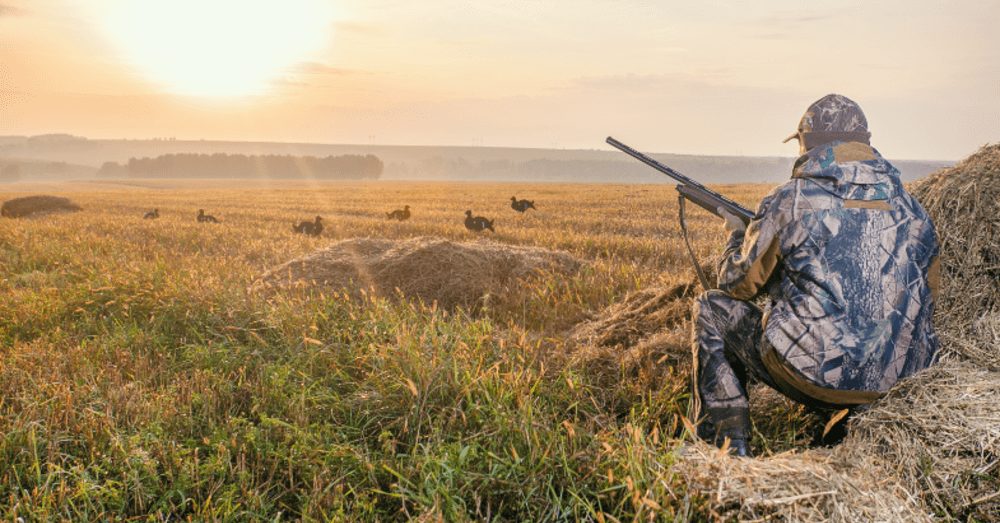
A quiet memo out of the Department of the Interior is reshaping how hunting works on some of America’s most-visited federal lands. Park rangers, hikers, anglers, and hunters are all paying attention, because the changes touch dozens of sites from Florida swamps to Colorado canyons.
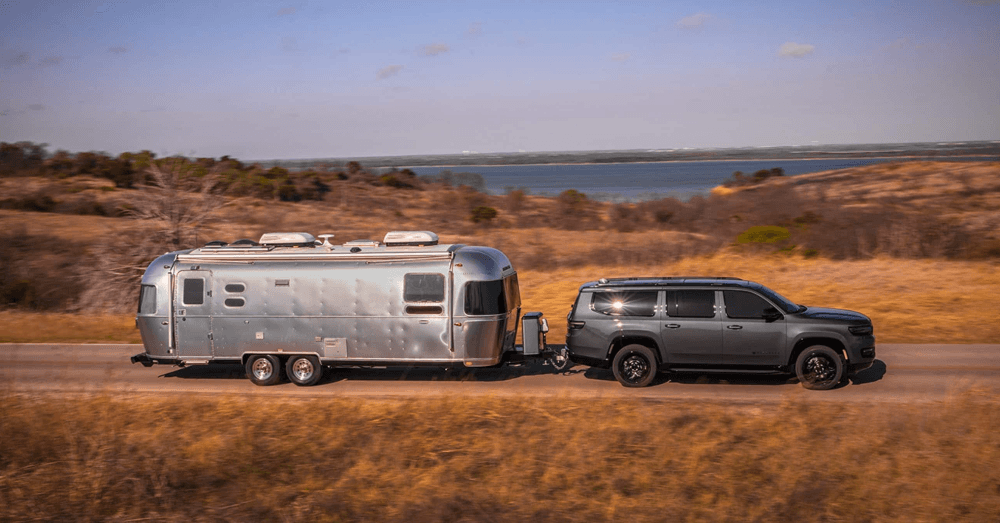
That number on the spec sheet looks impressive until you start asking what it really means. A 10,000-pound rating sounds like you can hitch up just about anything with wheels, but the reality is a lot more nuanced. Knowing what your vehicle can safely pull involves more than glancing at the brochure, and getting it wrong can wreck your truck, your trailer, or your weekend.
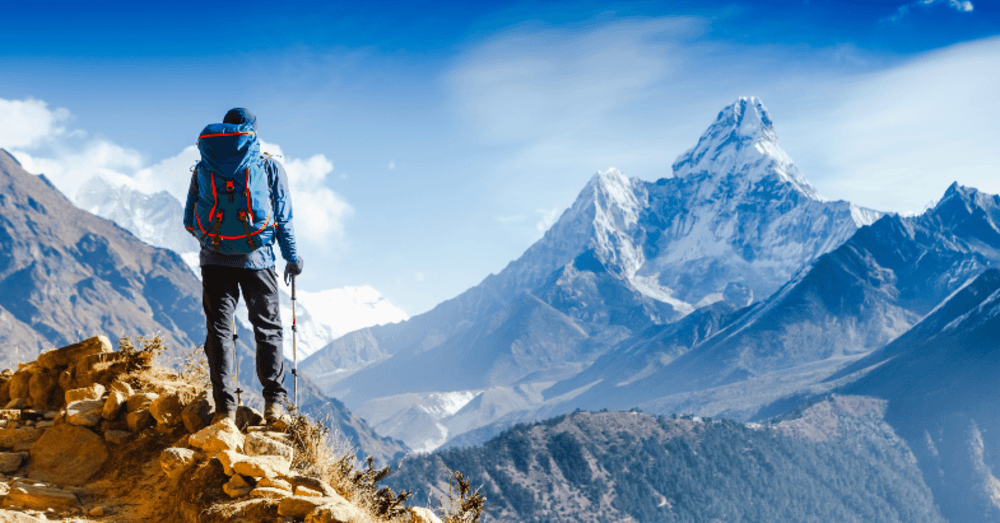
Most people who climb Everest fly into Kathmandu, hop a small plane to Lukla, and trek about ten days to Base Camp. But this spring, a growing number of climbers are taking a wildly different approach. They’re starting thousands of kilometers away, at the edge of the ocean, and making their way to the summit using nothing but their own legs and lungs. The Everest sea to summit trend is picking up real momentum in 2026, and the stories behind it are as wild as the mountain itself.