


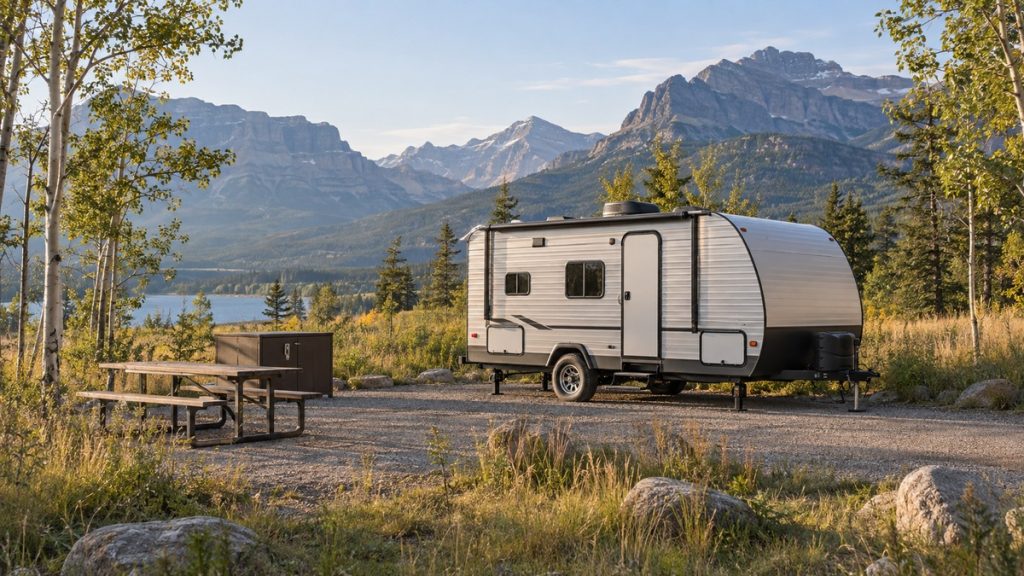
Late summer in Glacier National Park brings hungry bears working the hillsides for berries. In August 2026, increased bear activity pushed park officials to restrict St. Mary Campground to hard-sided camping, changing the options for travelers arriving with tents or soft-sided campers.
- St. Mary Campground was restricted to hard-sided camping in August 2026 after increased bear activity near the site.
- Tents, hammocks, and soft-sided campers were paused, while RVs and hard-sided units were still allowed at the time.
- Late-summer feeding drives these calls, and proper food storage matters no matter what you sleep in.
What Actually Changed at St. Mary
During the week of August 21, park staff announced an indefinite pause on soft-sided camping at St. Mary. That meant no tents, no sleeping hammocks, and no soft-sided campers. Hard-sided RVs and other hard-sided units were still permitted at the time. The restriction was intended to reduce the risk of human-bear conflicts, not guarantee safety in any type of shelter.
It helps to keep this in perspective. These were dated restrictions tied to conditions in August 2026, not a permanent rule you can count on today. Glacier makes these decisions based on what rangers are seeing on the ground, how bears are behaving, and what keeps visitors safe. St. Mary has been subject to similar restrictions in past years.
Why Bears Get So Active This Time of Year
As fall approaches, bears enter a stretch called hyperphagia. They eat almost around the clock, packing on weight before winter hibernation. St. Mary sits near a spot that usually produces a heavy serviceberry harvest, and a rich food source draws bears close. When wildlife starts feeding near a campground, the math on tent camping changes quickly.
This feeding cycle is natural, but food around people can draw bears into dangerous situations. The restriction was a way to reduce the odds of an animal getting comfortable around people, which rarely ends well for the bear.
Campground Rules and Trail Closures Are Separate Things
It’s easy to blur different kinds of park notices together, so it’s worth pulling them apart. A campground restriction, like the one at St. Mary, controls what kind of shelter you can bring. A trail closure, such as a brief Highline Trail closure, is a separate decision about foot access on a specific route. One doesn’t automatically mean the other is in effect. Before any trip, check current conditions directly with the park, since both types of notices come and go with the season.
Choosing a Rig Doesn’t Replace Bear Smarts
If a hard-sided rule has you rethinking how you camp, keep two ideas apart. Campground eligibility usually hinges on whether your setup is hard-sided or soft-sided, not on how nicely it’s furnished. Comfort features are a different conversation. Shoppers browsing a Sprinter van with bathroom for sale are looking at convenience and self-sufficiency, and that’s a fair thing to want on a long trip. Just remember that an onboard bathroom is a comfort, never a form of bear protection. Even a hard-sided unit isn’t bear-proof, and no amenity changes the food rules.
That’s the part too many people skip. Whatever you drive or pitch, secure your food in bear-resistant containers and toss garbage in the proper receptacles. A clean site protects the next campers and the bears alike. The vehicle you sleep in is one small piece of staying safe in bear country. Your habits do most of the work.
Planning a Smarter Glacier Trip
The St. Mary story is a good reminder that Glacier rewards flexible travelers. Restrictions shift with the season, the berry crop, and the bears themselves. If you’re mapping out a late-summer visit, build in a backup plan for where you’ll sleep, confirm the latest campground status before you leave, and treat food storage as non-negotiable. Check that any alternative campground has space rather than assuming it can accommodate you. Planning cannot eliminate wildlife risks, but it can help you avoid arriving with a shelter that is not permitted.
