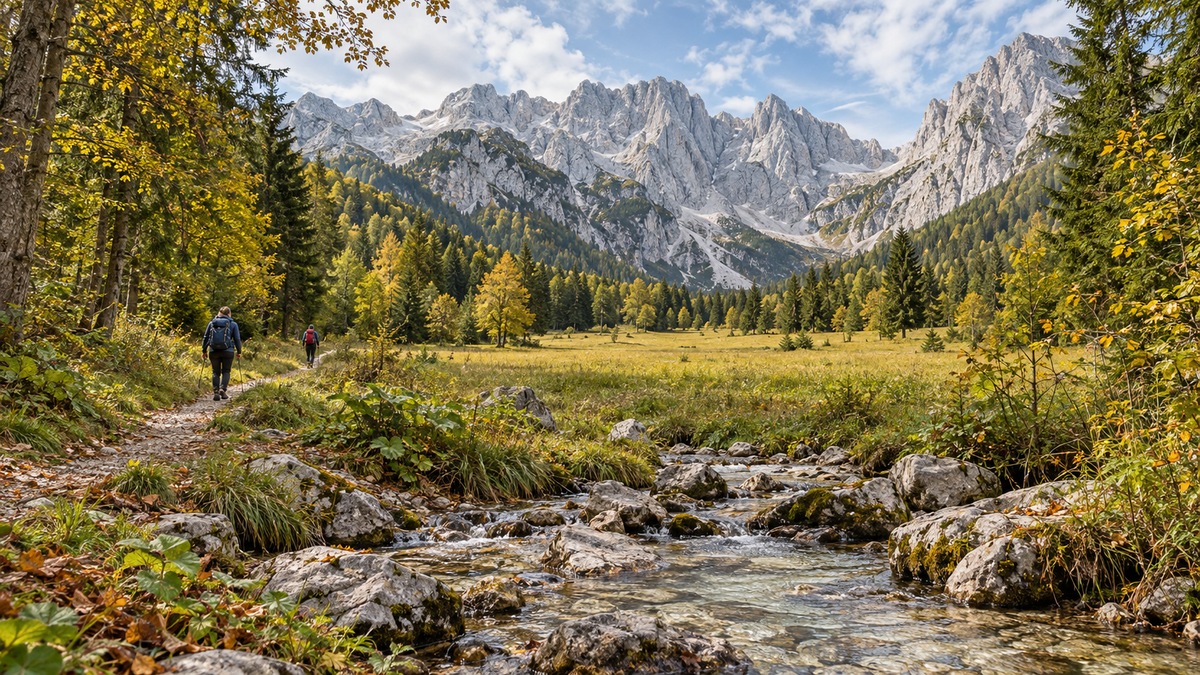
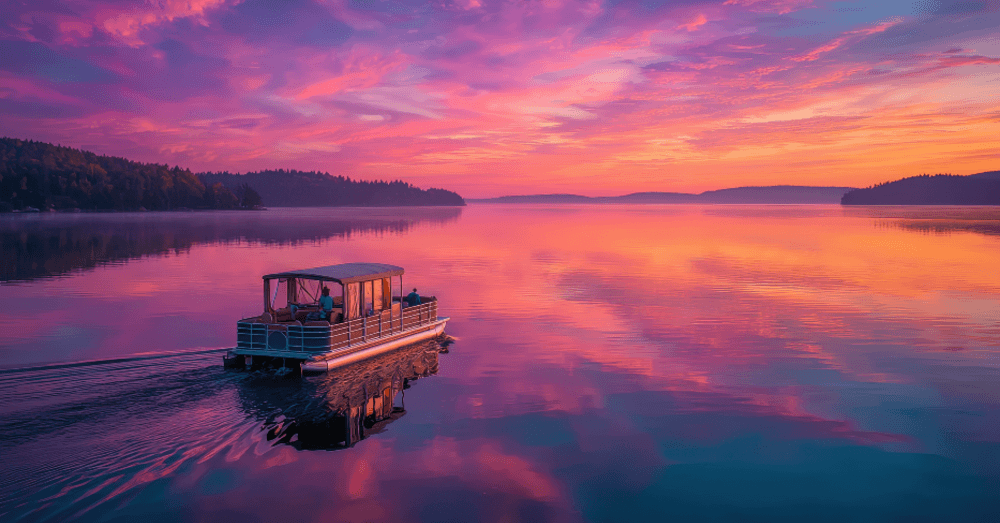
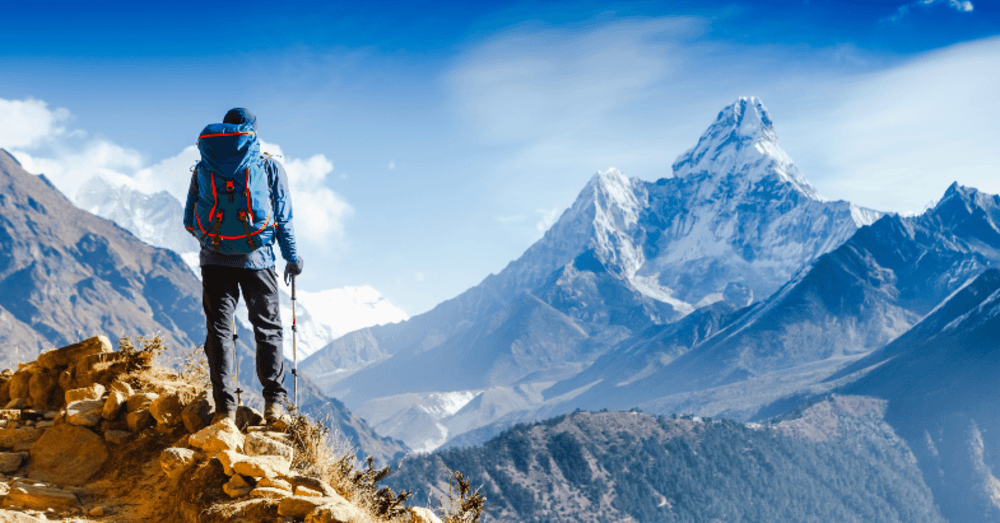
Picture a river running clear and aquamarine over pale stone, a 300-foot waterfall bursting from a cliff, and a log-cabin pub pouring wild-fermented wine before the trail climbs into the peaks. Those stops help define Slovenia’s Kamnik-Savinja Alps Water Trail, a route built around water rather than summits.
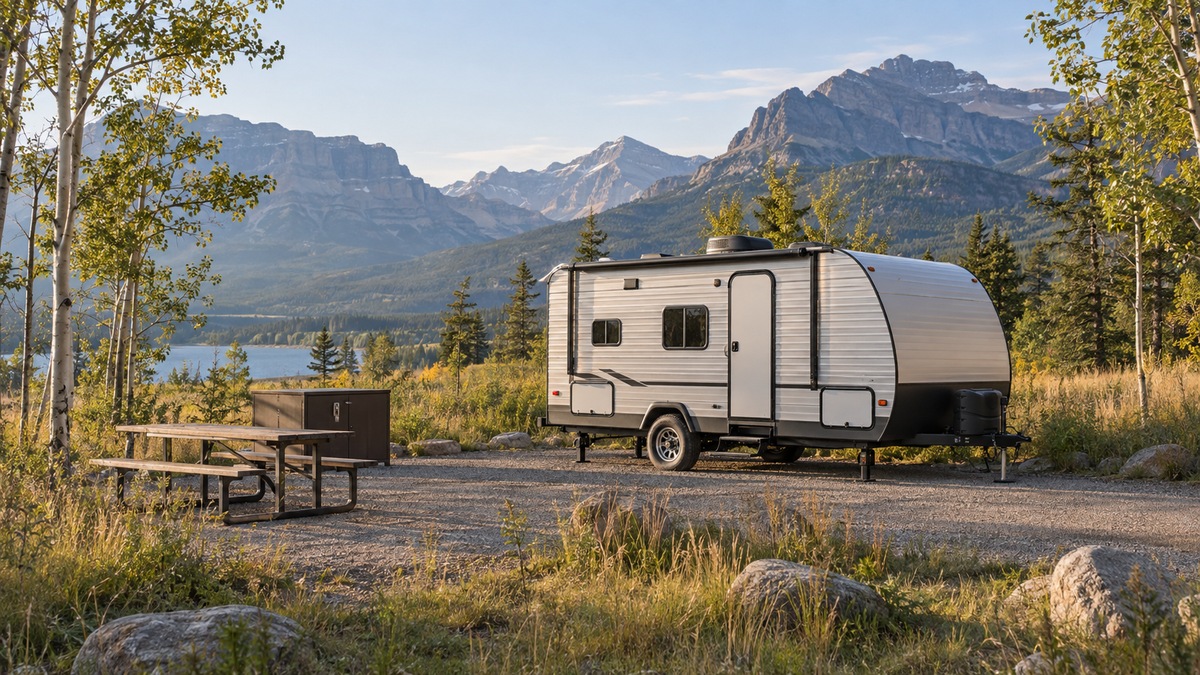
Late summer in Glacier National Park brings hungry bears working the hillsides for berries. In August 2026, increased bear activity pushed park officials to restrict St. Mary Campground to hard-sided camping, changing the options for travelers arriving with tents or soft-sided campers.
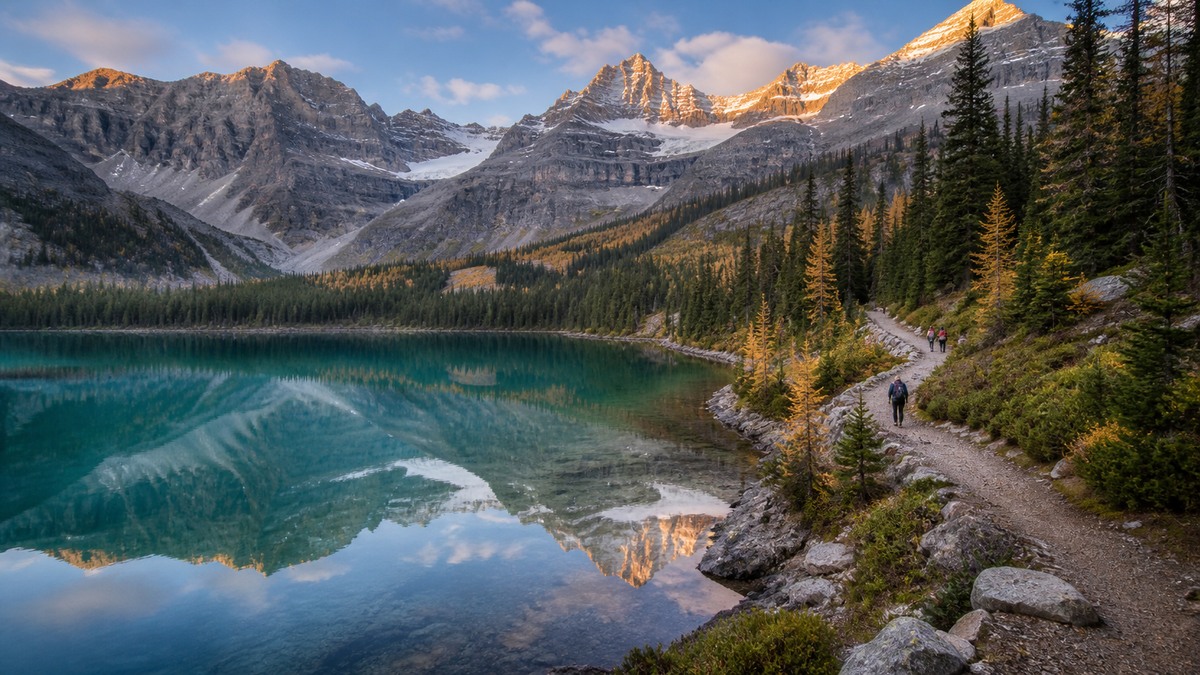
Tucked into Yoho National Park in British Columbia, Lake O’Hara sits at the center of some of the finest alpine hiking in the Canadian Rockies. Getting there takes planning, patience, and a bit of luck, because the number of people allowed in each day is deliberately small. That restraint is exactly what keeps the place feeling untouched.
Access to the lake is controlled by a limited daily quota rather than open to anyone who shows up.
A Parks Canada shuttle bus runs up the access road, and seats are booked through a competitive reservation system.
The trail network fans out to famous spots like Lake Oesa, Lake McArthur, and the Opabin Plateau.
A Road That Cars Can’t Use
The way most visitors reach Lake O’Hara starts with a road they aren’t allowed to drive. The gravel access road climbs roughly 11 kilometers from the parking area near the Trans-Canada Highway up to the lake, and private vehicles are kept off it. You can walk that road on foot if you want, but most people ride the Parks Canada bus, which trims a long uphill slog down to a short trip.
That single rule does a lot of quiet work. By closing the road to cars, Parks Canada removes the biggest driver of crowding at a natural attraction. There’s no parking scramble at the lake, no traffic, and no steady stream of day-trippers rolling in whenever they please. The bus becomes the gate, and the gate only opens so many times a day.
Why the Numbers Stay Small
Seats on the shuttle are limited, and demand runs far ahead of supply. Reservations open through Parks Canada’s booking system, and popular summer dates tend to vanish quickly once the window opens. Plenty of hopeful hikers refresh their screens and still come up empty, which tells you how tight the daily cap really is.
The reason for keeping the count low comes down to the ground itself. Alpine meadows and the shores around a high mountain lake are fragile. Thin soils, short growing seasons, and delicate plant life don’t bounce back quickly from thousands of boots. Wildlife in the area also does better with fewer people moving through. Limiting visitors protects the scenery that draws everyone in the first place, so the experience you travel for is still there for the next person.
There’s a human payoff too. Because the crowds never build, the trails stay quiet. You can stand at the edge of the water or top out on a ridge without a line of people behind you. That sense of having the mountains mostly to yourself is rare at a destination this beautiful, and the quota is the reason it survives.
What Waits Once You’re In
The hiking is the whole point. From the lakeshore, a web of well-built trails climbs into the surrounding basins. The route to Lake Oesa leads to a striking blue tarn ringed by rock. Lake McArthur, one of the deepest in the park, rewards a moderate climb with a jaw-dropping color. The Opabin Plateau offers a gentler loop through larch and meadow, and the more demanding Alpine Circuit strings together high traverses for stronger walkers who want ledges and long views.
A small day shelter near the lake gives hikers a place to warm up and refill, and overnight options exist for those who plan far ahead, though beds are just as limited as bus seats. Most visitors come for a single big day, hike hard, and ride back down tired and happy.
Planning a Trip That Actually Happens
Getting to Lake O’Hara rewards people who prepare. Mark the date the reservation window opens, know which trails you want before you go, and have a backup plan in case seats fill. Check current bus schedules and any seasonal notes with Parks Canada, since operating dates shift with weather and the short mountain summer. Bring layers, because conditions up high change fast even on a bright morning.
The extra effort is the trade. A place this special stays special because access is capped, and the hikers who put in the planning get a corner of the Rockies that still feels wild and quiet. Guard your reservation once you land one, show up ready, and let the mountains do the rest.
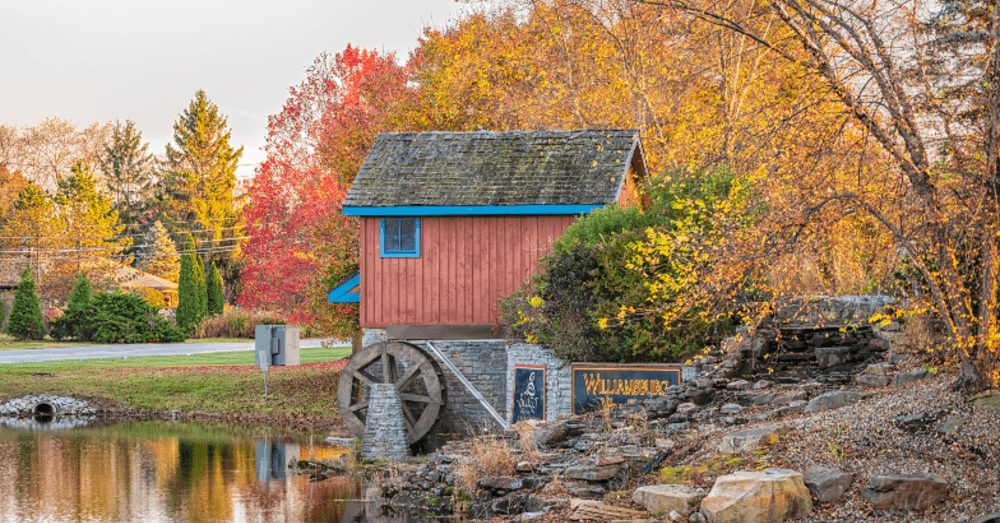
Hoosiers who love trading screen time for tree time just got a reason to celebrate. Starting July 1, 2026, two northern Indiana state forests will join the state parks system, adding more than 1,400 acres of woods, water, and trails for everyone to enjoy.
The next wave of outdoor gear looks refreshingly practical. Based on Treeline Review’s report from the Outdoor Market Alliance winter 2026 preview, brands are putting more thought into everyday problems like messy packs, hard to fix gear, and products that get retired too soon.
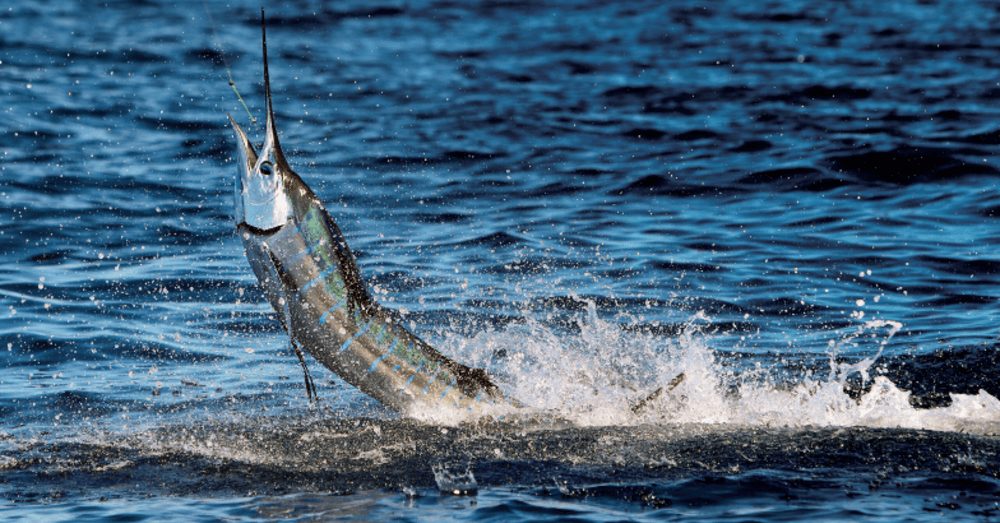
Few stretches of coastline pack as much tournament action into a single winter as the waters off Singer Island. From January kickoffs to dramatic walk-off finishes, the offshore scene here keeps captains, owners, and mates chasing flags from first light to lines-out.
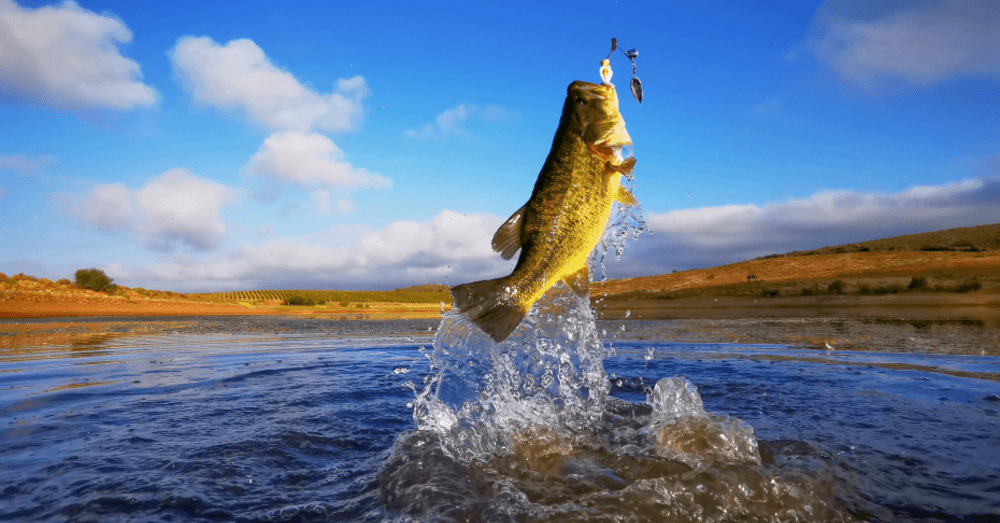
Indiana doesn’t get the bass fishing hype that Florida or Texas does, but anyone who’s spent a quiet May morning watching a topwater plug get crushed over a weedline knows the secret. The Hoosier State quietly stacks up against the best bass waters in the Midwest, with sprawling reservoirs in the south, glacier-carved natural lakes up north, and even a slice of Lake Michigan thrown in for good measure.
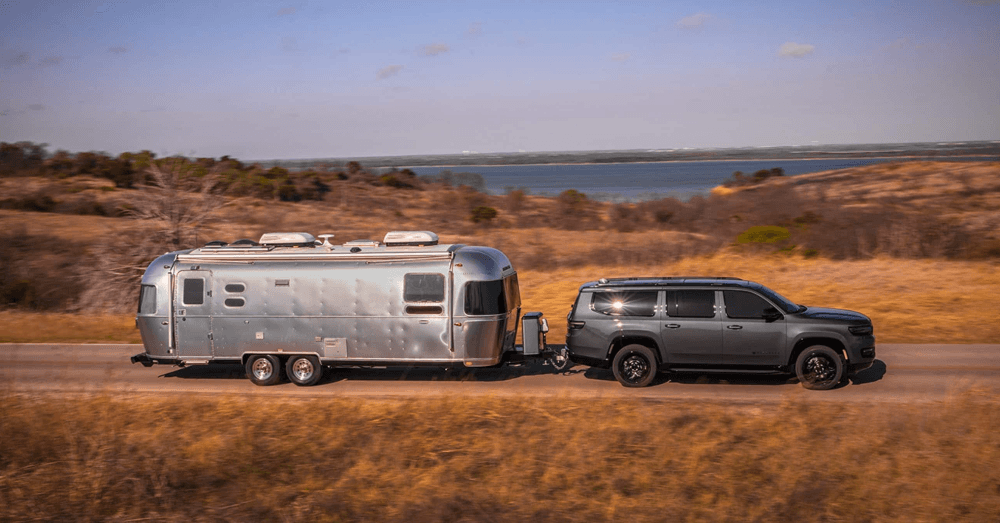
That number on the spec sheet looks impressive until you start asking what it really means. A 10,000-pound rating sounds like you can hitch up just about anything with wheels, but the reality is a lot more nuanced. Knowing what your vehicle can safely pull involves more than glancing at the brochure, and getting it wrong can wreck your truck, your trailer, or your weekend.
Orlando is famous for roller coasters and character breakfasts, but the real magic for outdoor lovers happens on the water. With more than 100 lakes inside the city limits alone, plus spring-fed runs, cypress-lined canals, and vast marshes just a short drive away, Central Florida is a paddler’s, angler’s, and wake-rider’s playground.
Most people who climb Everest fly into Kathmandu, hop a small plane to Lukla, and trek about ten days to Base Camp. But this spring, a growing number of climbers are taking a wildly different approach. They’re starting thousands of kilometers away, at the edge of the ocean, and making their way to the summit using nothing but their own legs and lungs. The Everest sea to summit trend is picking up real momentum in 2026, and the stories behind it are as wild as the mountain itself.