

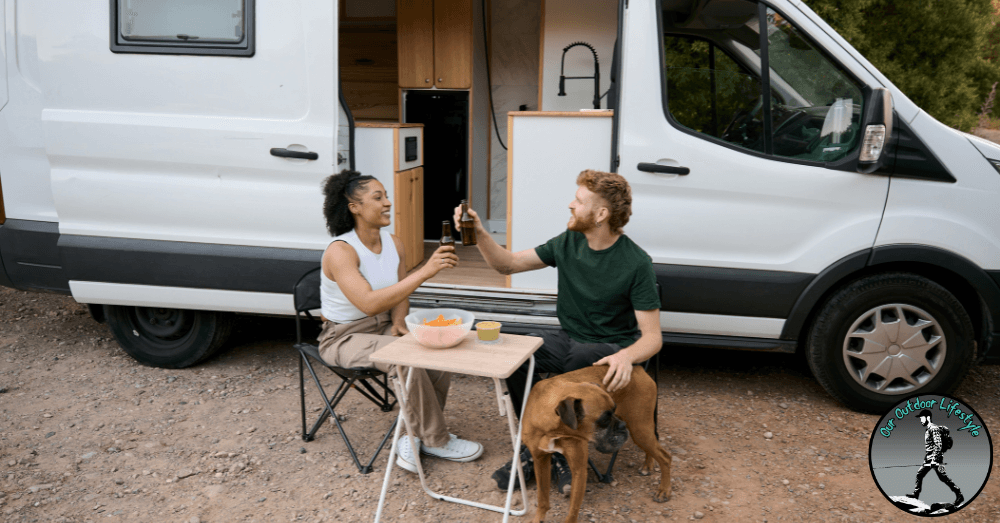
Van Life Opens Doors You Never Knew Existed
Over 3 million Americans have discovered that turning a van into a mobile home gives them freedom to wake up wherever they want, work from anywhere with wifi, and build a space that fits their exact vision. Whether you go the budget DIY route or invest in a luxury conversion with Italian stone countertops and heated floors, van life lets you trade traditional rent for road trip adventures.
- Monthly costs typically range from $800-$2,000, often less than apartment rent while giving you complete mobility and travel flexibility.
- Custom builds range from simple $10,000 setups to six-figure luxury conversions with full bathrooms, premium appliances, and hotel-level comfort.
- Remote work capabilities and better connectivity options like Starlink make living on the road practical for more people than ever before.
Choosing Your Van and Budget
You’ll find endless options when shopping for your rolling home. A new Sprinter van starts around $53,000, while used cargo vans from Ford, Ram, or Chevy can cost $15,000-$30,000 depending on age and mileage. Companies like Wayfarer offer affordable conversions starting at $25,000, perfect if you already own a van.
Want something upscale? Luxury builders create incredible spaces with teak wood accents, leather seating, ambient lighting, and granite countertops. Some high-end conversions include tiled showers, full-size refrigerators, and entertainment systems that rival what you’d find in a fancy apartment. These premium builds run $80,000-$150,000 but deliver hotel-quality comfort anywhere you park.
Building Your Perfect Mobile Space
DIY conversions let you customize everything while saving money. Basic builds with insulation, a bed platform, and simple kitchen can cost $5,000-$15,000. You control every detail and learn your van inside out during the process.
Professional conversion companies handle the complicated stuff like electrical systems, plumbing, and structural modifications. Shops like Papago Vans and Nook Vans create modular layouts that adapt to your needs. Want a convertible workspace that transforms into a dining area? They’ll design it. Need solar panels that keep you powered for weeks off-grid? They’ve got solutions.
Life on the Road Looks Different for Everyone
Some van lifers spend $800 monthly by cooking their own meals, finding free camping on public lands, and handling their own maintenance. Others budget $2,000 for campground stays, restaurants, and professional service. Your spending depends entirely on your travel style.
Apps like iOverlander and Park4Night help you discover free camping spots from national forests to quiet beach access roads. Harvest Host programs connect you with wineries and farms where you can park overnight. Gym memberships give you shower access across the country. The van life community shares tips constantly, making it easier to learn the ropes.
Remote Work Makes It Work
Starlink changed everything for digital nomads in 2024. Reliable high-speed internet anywhere means you can work from mountain campgrounds or coastal parking lots. Your van becomes your mobile office with desk setups, good lighting, and professional backgrounds for video calls.
Many remote workers time their travel around destinations they want to explore. Spend mornings working, then hike or surf in the afternoons. Stay near cities when you need coworking spaces or coffee shop wifi, then head to remote areas when your schedule allows.
Climate Control and Comfort
Modern vans handle weather better than you’d expect. Proper insulation keeps temperatures stable. Diesel heaters warm your space efficiently in winter. Maxxair fans and portable air conditioning units cool things down in summer. Many luxury builds include multi-zone climate control that rivals residential systems.
Smart planning helps too. Follow moderate weather patterns throughout the year. Head south in winter, chase cooler temperatures in summer. Thousands of van lifers stick to the 70-degree zone by timing their travel right.
Bathroom Solutions That Actually Work
Luxury conversions often include full bathrooms with composting toilets, hot water showers, and granite-lined vanities. These wet baths fold and transform to maximize space. Companies like Nook Vans design bathrooms that feel surprisingly roomy.
Budget builds get creative with portable solutions. Composting toilets work great and don’t require plumbing. Solar shower bags heat water for warm rinses. Many van lifers combine their own basic facilities with gym showers and campground bathrooms to find a system that works.
Finding Your Community
Van life meetups happen constantly at popular camping spots. You’ll connect with other travelers who share tips about everything from solar setups to the best taco stands in New Mexico. Online forums and Instagram accounts create community even when you’re parked alone.
Some people travel solo and love the solitude. Others partner up or travel in small groups. Many find that moving between social time and solo time gives them the perfect balance.
What Keeps People Doing This
The van conversion market hit $8 billion in 2024 and keeps growing because people discover benefits that outweigh the adjustments. Waking up in Yosemite one week and Big Sur the next beats staring at the same walls every morning. Living with less stuff feels freeing once you adjust.
You save money compared to traditional housing in expensive cities. A van payment plus $1,000 monthly expenses costs less than one-bedroom rent in most metros. That savings funds adventures, builds emergency funds, or lets you work fewer hours.
Getting Started Your Way
Rent a van first if you’re curious. Outdoorsy and RVshare let you test different models for a week or month. You’ll learn which features matter and what you can live without.
Start small with weekend trips before going full-time. Many people keep their apartment while testing van life on weekends and vacations. You’ll figure out your ideal setup before making big commitments.
Join van life groups online to learn from people already doing it. They’ll tell you which vans hold value, which solar panels work best, and where to find great camping spots. The community welcomes newcomers and shares knowledge freely.