

Off-Road Schools That Make You a Better Trail Driver
There’s no reason to learn off-road driving the hard way. Instead of scraping your fenders against rocks or getting stuck in mud while you figure out recovery techniques, you can learn from pros who’ve made every mistake in the book. Off-road schools around the country teach regular people how to pick smart lines, work with a spotter, and get unstuck without trashing their rigs.
- Professional instruction helps you avoid costly body damage and build confidence before tackling difficult trails on your own.
- Schools teach practical skills like winching, recovery board use, line selection, and how to read terrain before you commit.
- Programs range from half-day experiences to multi-day boot camps, with options for your own vehicle or school-provided rigs.
Why Formal Training Beats Trial and Error
Most people buy a 4×4 and head straight to the trails. That works fine on easy dirt roads, but the first time you face a steep descent or a boulder field, you’re winging it. Bob Wohlers, who runs the Off-Road Safety Academy in California, puts it this way: his two-day course teaches what most people take years to learn on their own. Trained drivers know when to engage 4-low, how to use momentum without building up too much speed, and when to stop and walk an obstacle before attempting it. They also know recovery techniques that don’t involve yanking on a stuck vehicle with whatever rope they found at the hardware store.
What You Actually Learn
Off Road Vehicle Courses teach driving and a whole lot more. At places like Overland Experts, the curriculum breaks down into three areas: driving technique, recovery skills, and field repairs. You’ll practice throttle control on steep climbs, how to spot for another driver, and what to do when your rig drops into a hole at an awkward angle. Recovery training gets detailed, covering anchor points, tree savers, soft shackles, and traction boards. The classroom portions cover how your 4WD system works, when to lock your differentials, and how to read a trail before you drive it.
Where to Find Quality Training
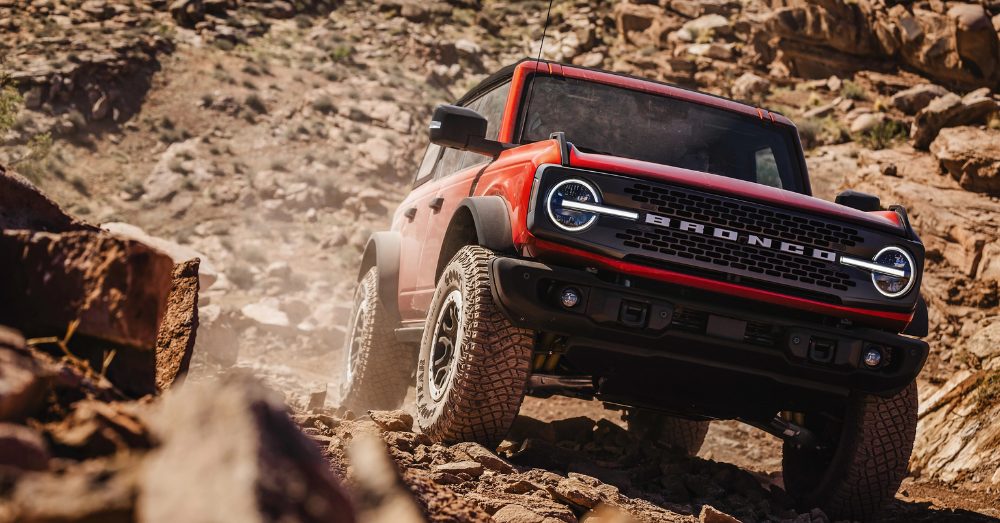
Moab’s Bronco Off-Roadeo stands out as one of the best programs in the country. Ford offers this experience to new Bronco owners, but they also run half-day adventures open to anyone for around $800. The Moab location uses real trails like Dome Plateau, which combines rock crawling with high-speed sections. Instructors teach you how to use features like Rock Crawl Camera and Trail Control in actual driving situations on genuine terrain.
The instructors at Bronco Off-Roadeo know their stuff. Many have racing backgrounds, including Baja experience. They teach spotting communication, terrain reading, and how to get the most out of your vehicle without breaking parts. Plus, the Moab scenery alone makes the trip worth it.
For drivers on the East Coast, Northeast Off-Road Adventures in New York offers a two-day boot camp that combines driving essentials with recovery training. You bring your own vehicle and spend a full day on their 75-acre trail network with instructors walking alongside you. The second day focuses on either winch recovery or non-winch techniques like using high-lift jacks and traction boards.
The 4×4 Center in Vermont provides year-round training, including winter driving on snow and ice. Their 20 acres of obstacles include a frozen ice lane and courses designed for bad weather conditions. If you drive in areas with harsh winters, this training pays off.
RallyPro at The FIRM in Florida offers 420 acres of wooded terrain with mud holes, steep climbs, and articulation obstacles. Their courses welcome any skill level with personalized instruction.
Making the Most of Your Training
Most schools recommend bringing a partner if you regularly go off-road with someone else. If something happens to you on a trail, your spouse or friend needs to know how to drive out. Schools typically run from one to three days, with single-day courses covering basics and multi-day programs tackling advanced terrain and detailed recovery work. You can usually bring your own vehicle or use school rigs.
Getting Started Without Breaking the Bank
Prices vary widely. Bronco’s half-day experience costs around $795 for a driver plus three guests. Multi-day programs like Off-Road Safety Academy’s two-day course run closer to $1,000 per driver. The investment makes sense when you consider what body work costs after you scrape a rock with your rocker panel. Talk to anyone who’s taken a course and they’ll tell you the training gets rid of that intimidation factor that keeps people from exploring more challenging terrain. Gift certificates work great if you know someone who just bought a 4×4.
Stop Guessing and Start Driving Right
You wouldn’t jump into rock climbing without learning proper technique and safety protocols. Off-road driving deserves the same respect. Take a course, learn from people who’ve spent decades on trails, and you’ll have way more fun while keeping your rig in one piece.


