

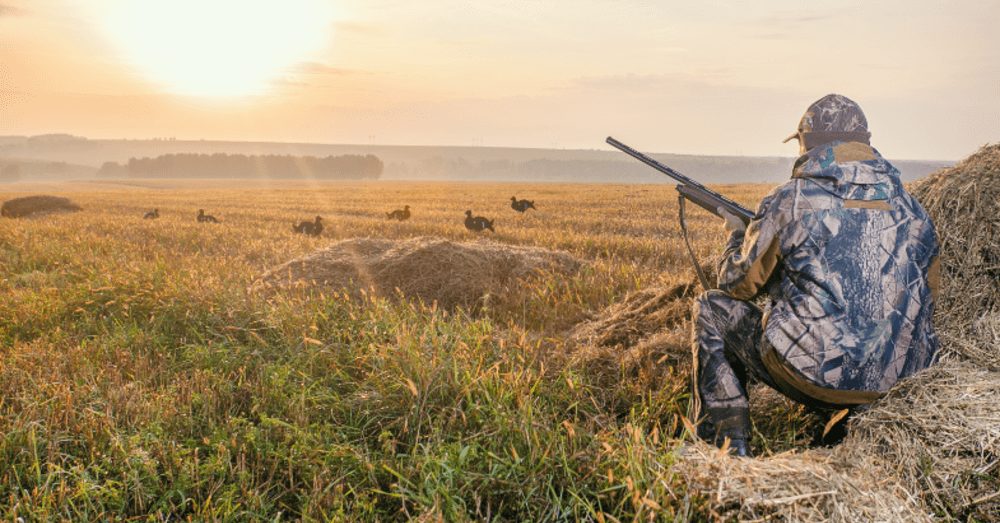
Hunting Rules Get a Rewrite Across 55 National Park Sites
A quiet memo out of the Department of the Interior is reshaping how hunting works on some of America’s most-visited federal lands. Park rangers, hikers, anglers, and hunters are all paying attention, because the changes touch dozens of sites from Florida swamps to Colorado canyons.
- The DOI is loosening hunting and trapping rules at 55 National Park Service sites in the lower 48
- At least 15 parks saw immediate changes, with about 40 more expected to follow
- Iconic parks like Yellowstone, the Grand Canyon, and the Everglades remain closed to hunting by law
What the Memo Actually Says
The story broke when The New York Times reported on May 4 that the Trump administration directed the Department of the Interior to immediately relax restrictions on hunting and trapping at NPS sites. The reporting cited an internal DOI memo dated April 21 from Interior Secretary Douglas Burgum, which also planned to unwind hunting bans at additional sites later in 2026.
The directive builds on an earlier action. Burgum signed Secretarial Order 3447 in January 2026, directing Interior agencies to expand hunting and fishing access, remove unnecessary barriers, and keep policy consistent across department-managed lands and waters. The April memo took that order from the policy realm into specific park-by-park rule changes, with Burgum’s memo ordering that any hunting closures and restrictions not required by state law must now be stripped to the “minimum necessary for public safety or resource protection.”
The National Parks Conservation Association told Outside that at least 15 parks and preserves had their hunting restrictions immediately loosened by the directive, and another 40 could see restrictions eased in the near future.
Which Parks Are Changing Their Rules
Specific rule changes are already in place at several units. At Big Cypress National Preserve in Florida, hunters no longer have to tell rangers where they took wildlife, and they don’t have to label equipment left in the backcountry for more than 24 hours with their names and contact info. At Mississippi National River and Recreation Area in Minnesota, a ban on tree stands has been dropped, hunting is being allowed in the Coldwater Spring Unit, and hunters can clear vegetation to make a shooting lane.
Louisiana and Colorado are seeing changes too. Jean Lafitte National Historical Park and Preserve in Louisiana has lifted a ban on alligator hunting, and a rule at Curecanti National Recreation Area in Colorado that kept weapons from being fired from, towards, or across a trail has also been removed.
Other documented examples include real-world rules getting cut. At Lake Meredith National Recreation Area in Texas, hunters had been barred from cleaning and processing game animals in restrooms. At the Ozark National Scenic Riverways in Missouri, hunting dogs were required to have safety tags. Both of those rules are out. Other sites on the list include Point Reyes National Seashore in California and John D. Rockefeller Memorial Parkway in Wyoming.
If you’re worried about the biggest names on the map, breathe easy. Major national parks like Yellowstone, the Everglades, and the Grand Canyon are permanently closed to hunting by statute and will not be affected by the order.
The Case For and Against
The administration argues it’s simply matching federal rules to state ones and clearing out outdated red tape. Burgum’s January order told agencies to remove what he called “unnecessary regulatory or administrative barriers” to hunting and fishing, writing that expanding opportunities helps conservation outcomes, rural economies, public health, and access to America’s outdoor spaces.
Hunting groups are on board. Ducks Unlimited said in January that simpler regulations would provide more land access for recreation, and the National Shooting Sports Foundation also praised the plan and said it had helped develop some of the new policies.
Critics see procedural shortcuts. They say the changes were made without studies or wide consultation about how they might affect public lands, and warn of unintended consequences for animals and habitats. Former park leaders worry the speed of the rollout left no room for science-based review.
Why This Matters Beyond Hunters
Most NPS units aren’t huntable in the first place. According to the NPS, hunting is permitted in 76 of its units, trapping is allowed in 31 units, and fishing is allowed in waters across 213 units. Roughly 51 million acres under its management are open to hunting, including 43 million acres in Alaska and 8 million in the contiguous United States. The new memo focuses on the smaller list of units where hunting was already legal but governed by local rules.
That’s the wrinkle for everyday visitors. Hikers, campers, birders, and paddlers share those same recreation areas, seashores, and preserves. Local rules often existed precisely because superintendents had to balance hunters with the millions of non-hunting visitors who use the same trails and waters.
What to Watch Next
Expect three things in the coming months. First, more specific rule changes will appear at the remaining 40 sites on the NPCA’s tracking list. Second, lawsuits are likely, with critics pointing to the National Park Service Organic Act and the lack of environmental review. Third, individual parks will publish updated visitor guidance, so it’s worth checking the official NPS page for any unit you plan to visit, especially during fall hunting seasons.
For now, the simplest takeaway is this: if you visit a national recreation area, preserve, seashore, or scenic riverway in the lower 48, the rules you remember from last year may not be the rules you find this year.