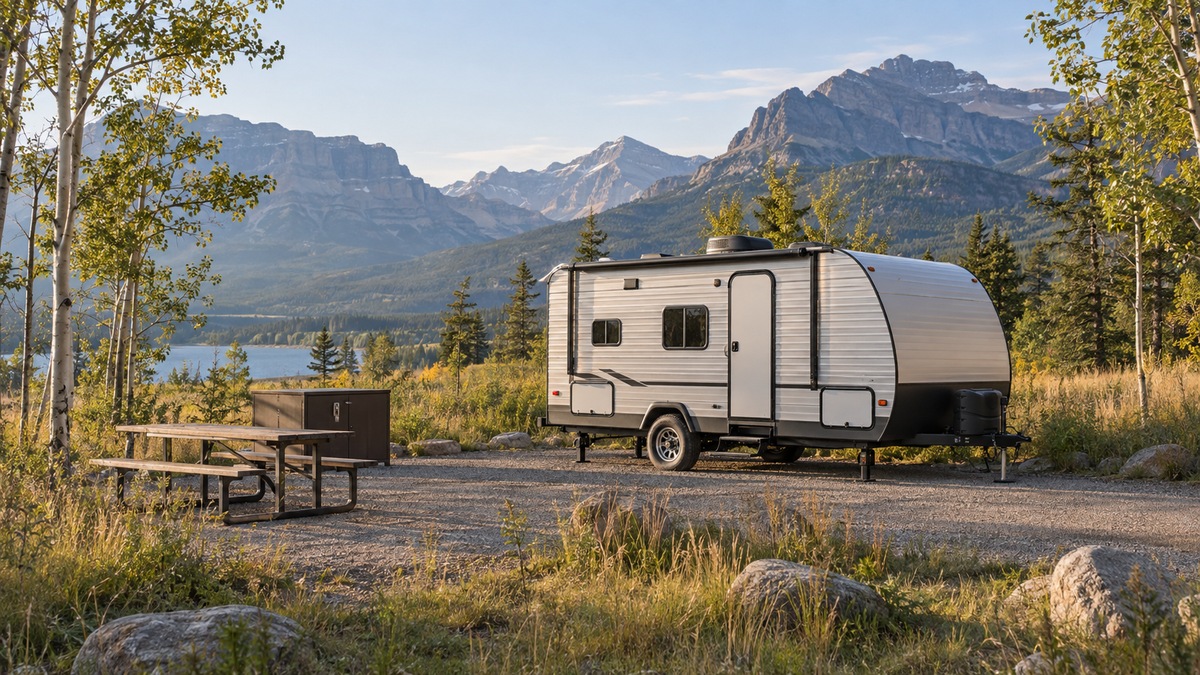
Late summer in Glacier National Park brings hungry bears working the hillsides for berries. In August 2026, increased bear activity pushed park officials to restrict St. Mary Campground to hard-sided camping, changing the options for travelers arriving with tents or soft-sided campers.
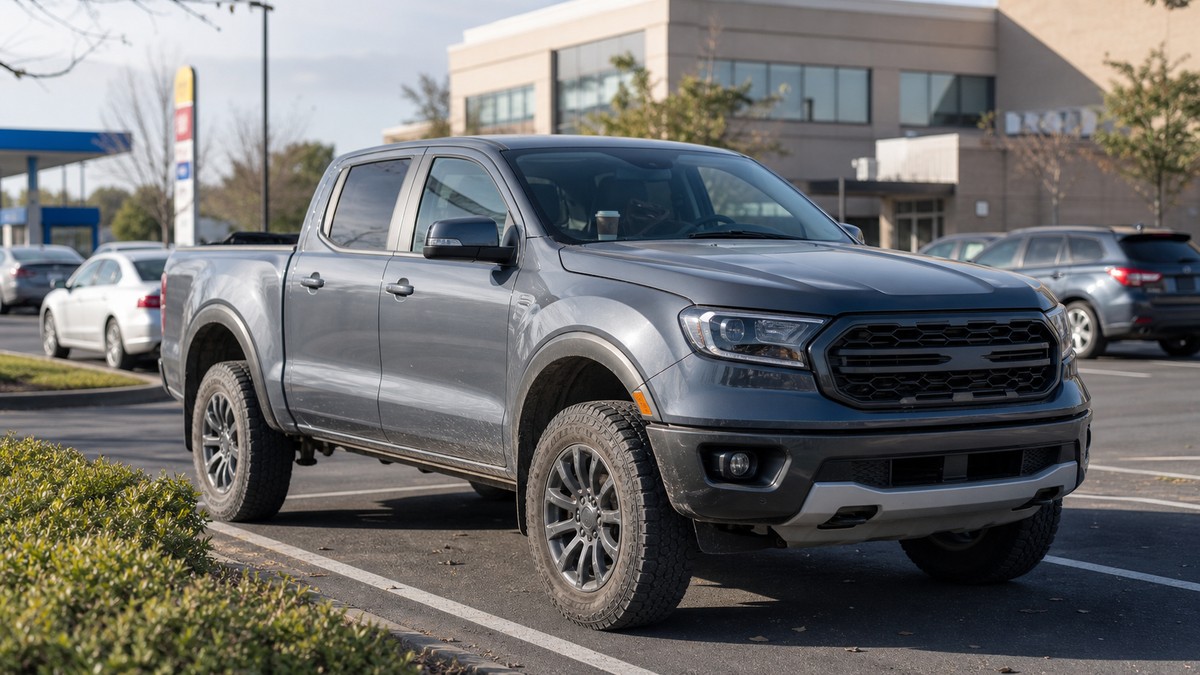
That knobby-tired, high-riding pickup looks incredible in the parking lot. But the same hardware that lets it climb a rock ledge also quietly drains your bank account every day you drive it to work.
A pickup already costs roughly $6,402 more per year to own than a small sedan, before you add any off-road gear.
All-terrain tires, thirstier engines, and higher insurance premiums pile onto that base truck bill.
Knowing where the money goes helps you decide if the trail capability is worth the daily cost.
Let’s start with the baseline. AAA’s yearly look at driving costs pegs the average price of owning and operating a new vehicle at $11,577, which works out to about $964.78 a month. Pickups sit well above that line. A truck runs owners around $6,402 more per year than a small sedan, and that sedan operates at just 55.87 cents per mile, roughly 43 percent cheaper per mile than a pickup. Now take that already-expensive truck and pile on off-road hardware, and the gap only grows.
Tires That Grip Trails and Grind Down Wallets
All-terrain rubber is the first place the extra cost shows up. Those aggressive treads are built to bite into dirt and gravel, and that same design behaves differently on pavement. They usually cost more than a standard highway set, and they wear their own way on daily roads. You give up comfort too. All-terrain tires tend to be louder at highway speed and firmer over bumps, so your commute comes with more road noise and a busier ride than a comfort-focused tire would deliver.
Fuel Economy Takes a Hit
Off-road trucks are built tall, wide, and heavy, with chunky tires and lifted suspension that push more surface into the wind. All of that fights fuel economy. AAA’s data shows fuel averaging 13.00 cents per mile across all vehicles, with regular gas running about $3.151 a gallon, and a big off-road pickup lands on the thirsty side of that average. Every commute, every grocery run, every school pickup burns more gas than a lighter, lower car would.
Insurance and the Cost of Performance Trims
Insurance is the cost that catches buyers off guard. Off-road and high-performance trims usually cost more to insure than a plain work truck or a sedan. The bigger engines, pricier parts, and steeper repair bills all push premiums into a higher bracket. Even a mild off-road trim tends to carry a heavier policy than a basic model, so it pays to get a quote before you fall for the fender flares.
Parking, Maintenance, and What You Get Back at Resale
The daily annoyances add up too. A lifted, wide pickup is a real challenge in tight parking garages and standard spaces, and the extra height makes loading kids or cargo more of a stretch. Specialized off-road hardware also gives you more parts that can eventually need attention than a basic drivetrain does. Then there’s depreciation, the single biggest cost of ownership. AAA found the average vehicle in its study lost $4,334 in value in one year. Trucks can hold their value better than many cars, but heavy trail use, worn suspension, and cosmetic scars can chip away at what a buyer will pay you later.
Deciding If the Trail Tax Is Worth It
None of this means you shouldn’t buy an off-road pickup. If you actually hit the trails, tow through the mountains, or need real ground clearance where you live, the capability earns its keep. The honest question is how often you’ll use it. If your truck spends almost all of its life on smooth pavement, you’re paying a trail premium in tires, fuel, insurance, and resale for a handful of weekends. Add up those numbers before you sign, match the truck to how you really drive, and you’ll enjoy the capability without the sticker shock down the road.
When lightning lit up the dry hills of Wheeler County this July, the people who knew the land best were already moving. Ranchers and landowners who have worked these steep valleys for decades are standing shoulder to shoulder with state and federal crews, and that partnership is helping hold the line against one of the largest fires the region has seen in years.
The Rowe Creek Complex grew to nearly 150,000 acres after lightning storms swept through Central Oregon.
Volunteer Rangeland Fire Protection Associations are guiding outside crews through terrain most maps can’t fully capture.
Trust built during a 2024 megafire is paying off now that resources are stretched thin.
A Fire in Country That Has Burned Before
The Rowe Creek Complex started as a cluster of blazes sparked by lightning, and within days it had spread to roughly 149,000 acres near Mitchell. Communities like Fossil and Spray sit in the middle of it all, small towns surrounded by rangeland valleys and steep cliffs of dry grassland. Fossil has only about 250 houses. Carl Campbell, who has lived there since 1952 and fought plenty of fires over the years, calls this one of the biggest he’s seen.
Campbell remembers when Fossil was a busy logging town anchored by the Kinzua company. Back then, when a fire broke out, Kinzua could send a crew of 100 people to knock it down. The company closed in 1978, and much of the town’s population and firefighting muscle left with it. What stayed behind was something harder to replace: people who understand every draw, road, and grass patch in the county.
Neighbors Who Know the Terrain
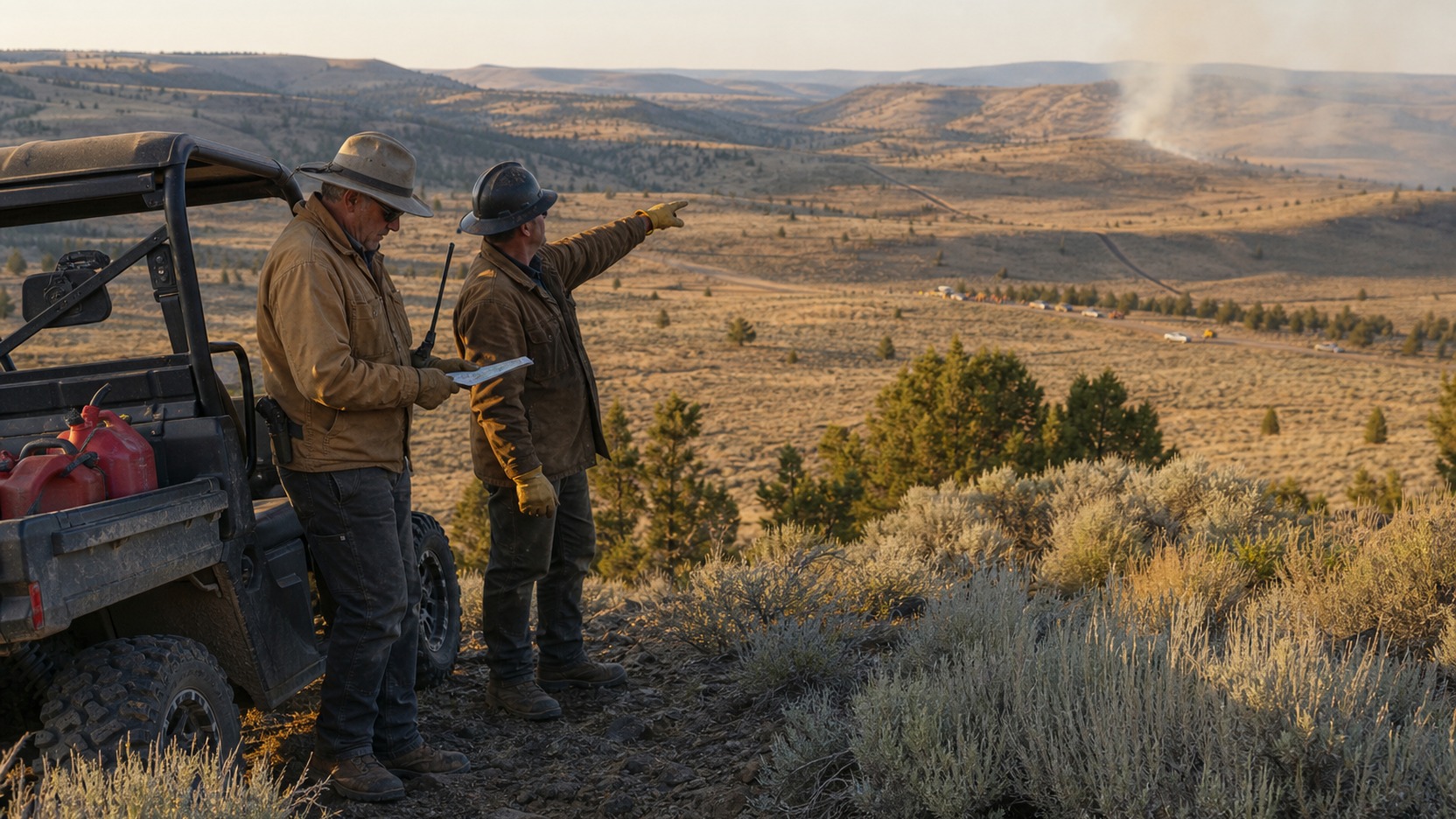
That knowledge now runs through the local Rangeland Fire Protection Associations, or RFPAs. These are volunteer groups of ranchers and landowners who work to protect private property and open rangeland from fire. Terry Harris, a rancher who lives near Spray and volunteers with the Wheeler County RFPA, has spent recent days doing whatever the moment calls for, from running shovels and hoses to directing traffic and pointing crews toward the spots that matter most.
Harris and his neighbors have been working alongside the Oregon Department of Forestry and firefighters from several state and federal agencies. When the big teams roll in, the locals meet them, join up, and show them how to get equipment where it needs to go. Ranch work already leans on rugged gear, and the same machines that move hay and check cattle earn their keep during fire season. A Kubota side-by-side diesel or a beat-up flatbed can haul water and tools down a two-track that no engine could reach, which is exactly the kind of edge a landowner brings to a fight like this.
A Partnership That Took Time to Build
This teamwork wasn’t always smooth. In July 2024, the Lone Rock Fire burned nearly 135,000 acres across Gilliam, Wheeler, and Morrow counties, and more than 1,000 firefighters answered the call. John Szulc, an incident commander with Northwest Team 2 who also worked the Lone Rock Fire, describes the early days of any big response as a kind of awkward dance. Different agencies bring different training, equipment, and habits, and it takes time for everyone to click, sometimes while the fire is still spreading.
Two years later, both sides say the relationship has come a long way. Harris puts it plainly: the local folks have realized they can’t handle these fires alone, and the state has learned that ranchers will do whatever it takes to protect their ground. Everyone has limits, and admitting that is what makes the whole thing work.
Bracing for What Comes Next
The circumstances stay tough. Damon Simmons, a line safety officer with the Oregon State Fire Marshal, says crews are constantly shifting people and equipment from one fire to the next as they weigh where the need is greatest. The Rowe Creek Complex has already reached sensitive ground, including much of the 34,000-acre Pine Creek Conservation Area southwest of Fossil, which the Confederated Tribes of Warm Springs manage for fish and wildlife habitat. Project lead Kevin Pullen expects a long restoration effort, though he notes that fire is a natural process that has simply grown more frequent as the climate turns warmer and drier earlier in the year.
With more dry thunderstorms and lightning in the forecast, Wheeler County is getting ready for another round. The lesson taking hold across these hills is a simple one. When money and manpower run short, the deepest resource a community has is its own understanding of the land, and the willingness of neighbors to share it. Ranchers here plan to keep showing up, fire after fire, because they know the country and they know it needs them.