Our Outdoor Lifestyle
Death Valley Is Exploding With Color for the First Time in a Decade

If you’ve ever dreamed about seeing the driest place in North America covered in wildflowers, now is your chance. Death Valley National Park is putting on its most spectacular floral show since 2016, and the best part? Many sprouts haven’t even flowered yet. The desert floor, normally a stretch of sand and sparse brush, is turning into a carpet of gold, purple, and white that stretches for miles in every direction.

  • Death Valley is experiencing an “above-average” bloom year, with current displays marking the park’s strongest floral showing since the 2016 superbloom.
  • Since October 1, Death Valley has measured 2.45 inches of rain, already surpassing the 2.20 inches that typically falls in an entire year.
  • Low-elevation flowers are currently peaking along Badwater Road and Highway 190, with blooms expected to move to higher elevations from April through June.

What Caused This Rare Superbloom

Superblooms don’t happen simply because it rains a lot. At least three main ingredients must come together for a good wildflower year. Rainfall during the fall, winter, and spring must be well spaced, temperatures must be warm enough, and the wind needs to cooperate.

A rainstorm of a half inch or more will wash the protective coating off wildflower seeds, allowing them to sprout. Subsequent rainstorms must then be evenly spaced throughout the winter and spring, and typically, the best blooms are triggered by an early, winter-type rainstorm in September or October.

That’s exactly what happened this time around. Since October 1, Death Valley has measured 2.45 inches of rain, already surpassing the 2.20 inches that typically fall in an entire year. Much of that rain arrived in November during a barrage of storms that helped prime the desert floor. The same unusually wet pattern also revived Death Valley’s ancient lake, known as Lake Manly.

Superblooms tend to happen once a decade. The most recent superbloom years were 2016, 2005, and 1998. So if you live anywhere from Richmond, KY, to San Diego, this is the kind of once-in-a-generation event worth putting on your travel calendar.

Where to See the Wildflowers Right Now

Visitors planning to witness the bloom should head toward North and South Badwater Road or Highway 190 between Stovepipe Wells and Furnace Creek for the best current views.

The strongest displays are currently concentrated in the southern end of the park, particularly at lower elevations. As temperatures rise, the bloom is expected to shift northward and climb into higher elevations over the coming weeks.

Currently, the bright yellow desert gold (Geraea canescens) is one of the most prominent flowers, with others blooming as well. You’ll also find sand verbena, brown-eyed primrose, phacelia, and lupine scattered across different parts of the park. For less populated viewpoints, Mud Canyon or Beatty Cutoff Road are good options, and David Blacker of the Death Valley Natural History Association maintains a wildflower report on his organization’s website with updates on where the blooms are peaking.

Many of the best blooms this year are visible directly from scenic drives like Highway 190, Artists Drive, and North Highway. You don’t need to be a backcountry hiker to enjoy this. Just pull over at designated spots and take it all in.

How Long Will It Last

The low-elevation flowers will likely persist until mid-to-late March. Higher elevation flowers will likely have blooms from April through June. That said, desert blooms are famously fickle. Bloom windows can be short, sometimes just a few weeks per region. Warm temperatures or wind events can accelerate the fading process.

So if you’re thinking about visiting, sooner is better than later for those valley floor displays. The show will gradually climb uphill as spring temperatures warm the higher terrain.

Tips for Visiting Without Trampling the Flowers

The 2016 superbloom came with a warning for 2026. More than 209,000 people visited Death Valley National Park during the 2016 superbloom, leading to traffic jams and damage to the ecosystem. Park officials are already seeing increased visitor numbers this year.

With crowds gathering in Death Valley to see the superbloom, park officials are urging visitors to stay on established paths to avoid damaging fragile flowers. The NPS has issued a firm reminder: “Don’t pick. Collecting wildflowers is strictly prohibited.”

A few practical tips can make your visit better for you and the park. Go in the middle of the week to avoid larger crowds. Book lodging early, as hotels and campsites fill quickly during the blooming season. Don’t forget to carry plenty of water, as the dry moving air can quickly dehydrate hikers even during a bloom.

A Fleeting Desert Show Worth Seeing

There’s something almost unbelievable about watching one of the harshest places on Earth turn into a wildflower meadow. A superbloom isn’t a single-species display. It’s a broad, park-wide response when dormant seed banks scattered across the desert suddenly germinate at the same time. The right conditions are above-average fall and winter rains, cool enough temperatures to let seedlings survive long enough to flower, and relatively gentle winds so blossoms aren’t stripped away. Because seeds can lie in the soil for years, a single wet season timed right can trigger an incredible, but short-lived, explosion of color.

Whether you’re a photographer, a nature lover, or someone who simply enjoys a good road trip, this is one of those natural events you’ll remember for years. And considering this kind of bloom only rolls around every ten years or so, the clock is ticking.

Best Car Camping SUVs for 2026

Waking up in the back of your SUV with a mountain view beats any hotel alarm clock. Car camping has blown up over the past few years, and automakers are responding with SUVs built for trailside living. The 2026 model year brings a strong lineup for weekend warriors and road trippers alike, and picking the right one comes down to cargo space, ground clearance, fuel economy, and how flat those rear seats actually fold.

  • The 2026 Subaru Forester Wilderness leads the pack with 9.3 inches of ground clearance and roof rails rated for 800 pounds, enough for a rooftop tent and then some.
  • Toyota’s redesigned RAV4 now runs exclusively on hybrid power, offering up to 44 mpg combined and nearly 70 cubic feet of cargo space with the seats folded.
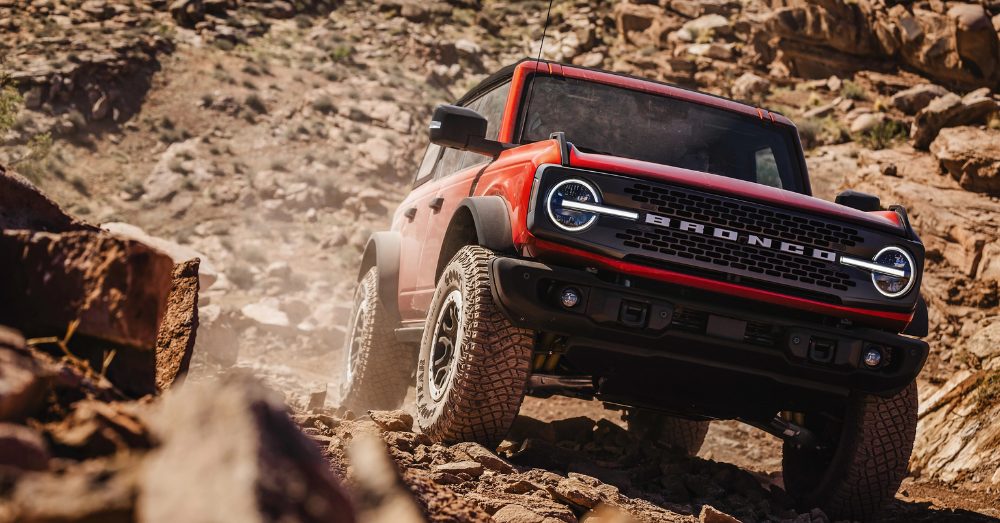
  • Ford’s Bronco Sport continues to impress with its rubberized cargo floor, built-in tie-downs, and an available camp-ready accessory bundle.

Subaru Forester Wilderness Takes the Lead

The 2026 Forester Wilderness deserves a long look from anyone shopping for a camping rig. Subaru bumped ground clearance to 9.3 inches this year, beating both the Ford Bronco Sport Badlands and Hyundai Tucson XRT. Approach and departure angles sit at 23.5 and 25.5 degrees, so forest service roads won’t keep you up at night.

Those reinforced roof rails handle up to 800 pounds of static weight, meaning rooftop tents, kayaks, and cargo boxes are all fair game. Inside, 69.1 cubic feet of cargo space greets you when the 60/40 split seats fold down. Water-repellent StarTex upholstery is a nice touch when you’re tracking mud into the cabin after a trail day. Towing maxes out at 3,500 pounds, and Yokohama Geolandar all-terrain tires come standard.

Toyota RAV4 Brings Hybrid Efficiency to Camp

Every 2026 Toyota Rav4 now runs on hybrid power, and that’s a big deal. In AWD form, the system pushes 236 horsepower while returning up to 44 mpg combined. Fewer gas station stops means more time at the campsite.

Cargo space measures 37.8 cubic feet behind the rear seats, expanding to roughly 70 cubic feet when they fold nearly flat. Campers should keep an eye on the Woodland trim, which borrows rugged front-end styling from the 4Runner, comes with AWD, and tows up to 3,500 pounds. The plug-in hybrid version adds 50 miles of electric-only range, perfect for quiet cruising around a campground.

Ford Bronco Sport Was Built for Basecamp

Ford designed the Bronco Sport for people who actually spend weekends outside, and the details prove it. A rubberized cargo floor wipes clean after hauling muddy boots. MOLLE straps let you mount water bottles and tools inside the cargo area, and there’s a slide-out table for trailside cooking.

Stepping up to the Badlands trim with the Sasquatch package adds steel bash plates, all-terrain tires, and an upgraded torque-vectoring rear drive unit. Ford even sells a Camp Outfitter bundle that includes roof crossbars, a Yakima rooftop tent, an awning, and all-weather floor mats. Fold the seats and you get 65 cubic feet of cargo space, enough room to sleep inside on milder nights.

Two More Worth Considering

Don’t sleep on the Toyota 4Runner, which has earned its reputation through decades of durability and a massive aftermarket parts community. Want to build a sleeping platform or bolt on a rooftop tent? Guides for the 4Runner are everywhere online. It can tow over 6,000 pounds and handles serious off-road trails with confidence.

Subaru’s Outback Wilderness is another strong contender, bringing 9.5 inches of ground clearance with a turbocharged engine and 76 cubic feet of cargo space with seats down. That wagon-like roofline creates extra headroom that taller campers will appreciate, and it still works as a comfortable daily driver during the week.

Picking the Right Rig for Your Next Trip

Spec sheets only tell part of the story when shopping for the best car camping SUVs for 2026. Pay close attention to how flat the seats fold and whether there’s a hump between the cargo area and the seatbacks. Both the RAV4 and Forester score well here with nearly level sleeping surfaces. Anything above 8.5 inches of ground clearance should handle most campground access roads without issue.

Roof load capacity is easy to overlook until you’re shopping for a rooftop tent. Most weigh between 100 and 350 pounds, so check your rail ratings before buying. Fuel economy counts too, since remote campsites often mean long stretches between gas stations. On that front, the RAV4’s hybrid powertrain stretches each tank further than anything else on this list. Before signing anything, measure the cargo area against your height. One practice night will tell you everything the brochure can’t.

Off-Road Schools That Make You a Better Trail Driver

There’s no reason to learn off-road driving the hard way. Instead of scraping your fenders against rocks or getting stuck in mud while you figure out recovery techniques, you can learn from pros who’ve made every mistake in the book. Off-road schools around the country teach regular people how to pick smart lines, work with a spotter, and get unstuck without trashing their rigs.

  • Professional instruction helps you avoid costly body damage and build confidence before tackling difficult trails on your own.
  • Schools teach practical skills like winching, recovery board use, line selection, and how to read terrain before you commit.
  • Programs range from half-day experiences to multi-day boot camps, with options for your own vehicle or school-provided rigs.

Why Formal Training Beats Trial and Error

Most people buy a 4×4 and head straight to the trails. That works fine on easy dirt roads, but the first time you face a steep descent or a boulder field, you’re winging it. Bob Wohlers, who runs the Off-Road Safety Academy in California, puts it this way: his two-day course teaches what most people take years to learn on their own. Trained drivers know when to engage 4-low, how to use momentum without building up too much speed, and when to stop and walk an obstacle before attempting it. They also know recovery techniques that don’t involve yanking on a stuck vehicle with whatever rope they found at the hardware store.

What You Actually Learn

Off Road Vehicle Courses teach driving and a whole lot more. At places like Overland Experts, the curriculum breaks down into three areas: driving technique, recovery skills, and field repairs. You’ll practice throttle control on steep climbs, how to spot for another driver, and what to do when your rig drops into a hole at an awkward angle. Recovery training gets detailed, covering anchor points, tree savers, soft shackles, and traction boards. The classroom portions cover how your 4WD system works, when to lock your differentials, and how to read a trail before you drive it.

Where to Find Quality Training

Moab’s Bronco Off-Roadeo stands out as one of the best programs in the country. Ford offers this experience to new Bronco owners, but they also run half-day adventures open to anyone for around $800. The Moab location uses real trails like Dome Plateau, which combines rock crawling with high-speed sections. Instructors teach you how to use features like Rock Crawl Camera and Trail Control in actual driving situations on genuine terrain.

The instructors at Bronco Off-Roadeo know their stuff. Many have racing backgrounds, including Baja experience. They teach spotting communication, terrain reading, and how to get the most out of your vehicle without breaking parts. Plus, the Moab scenery alone makes the trip worth it.

For drivers on the East Coast, Northeast Off-Road Adventures in New York offers a two-day boot camp that combines driving essentials with recovery training. You bring your own vehicle and spend a full day on their 75-acre trail network with instructors walking alongside you. The second day focuses on either winch recovery or non-winch techniques like using high-lift jacks and traction boards.

The 4×4 Center in Vermont provides year-round training, including winter driving on snow and ice. Their 20 acres of obstacles include a frozen ice lane and courses designed for bad weather conditions. If you drive in areas with harsh winters, this training pays off.

RallyPro at The FIRM in Florida offers 420 acres of wooded terrain with mud holes, steep climbs, and articulation obstacles. Their courses welcome any skill level with personalized instruction.

Making the Most of Your Training

Most schools recommend bringing a partner if you regularly go off-road with someone else. If something happens to you on a trail, your spouse or friend needs to know how to drive out. Schools typically run from one to three days, with single-day courses covering basics and multi-day programs tackling advanced terrain and detailed recovery work. You can usually bring your own vehicle or use school rigs.

Getting Started Without Breaking the Bank

Prices vary widely. Bronco’s half-day experience costs around $795 for a driver plus three guests. Multi-day programs like Off-Road Safety Academy’s two-day course run closer to $1,000 per driver. The investment makes sense when you consider what body work costs after you scrape a rock with your rocker panel. Talk to anyone who’s taken a course and they’ll tell you the training gets rid of that intimidation factor that keeps people from exploring more challenging terrain. Gift certificates work great if you know someone who just bought a 4×4.

Stop Guessing and Start Driving Right

You wouldn’t jump into rock climbing without learning proper technique and safety protocols. Off-road driving deserves the same respect. Take a course, learn from people who’ve spent decades on trails, and you’ll have way more fun while keeping your rig in one piece.

Night-Sky Road Trips That Make Autumn Feel Bigger

Pull off at the right scenic overlook on a cool October evening and you’ll understand why autumn is when the stars feel closest. The air gets crisp, humidity drops away, and those early sunsets give you hours to watch the sky wake up. Pack a thermos, grab a blanket, and head out to where the Milky Way actually looks like a river of light.

  • Autumn offers the clearest skies for stargazing, with lower humidity and stable air that reduce atmospheric distortion.
  • Dark-sky parks across the Southwest provide the best viewing conditions, with Utah alone hosting more than two dozen certified locations.
  • Night driving needs specific safety prep including clean headlights, regular breaks, and dimmed interior lighting.

Why Fall Wins for Sky Watching

You’ve probably noticed how different the air feels once September rolls around. That crispness makes for better stargazing. Summer brings warm nights but thick humidity that blurs the view. When temperatures drop in autumn, the atmosphere stabilizes and less water vapor means clearer sightlines straight up through space.

Sunset hits earlier, so by 8 PM you’re already in full darkness. That gives you solid hours before midnight to spot planets and trace constellations.

Where the Dark Sky Gets Dark

Light pollution from cities washes out the night sky for miles around. That’s where designated dark-sky parks come in. These spots are certified by DarkSky International for having genuinely low light pollution.

Utah dominates with more certified locations than any other state. Arches and Canyonlands National Parks both offer ranger-led night programs during fall. Big Bend National Park in Texas sits so far from major cities that it claims some of the darkest skies in the lower 48 states. Cherry Springs State Park in Pennsylvania brings dark skies to the East Coast, rare for that heavily populated region.

Planning Your Route

Pick a destination but keep your route flexible. Weather can shut down a perfect stargazing spot fast. Check moon phases before you go. Four days before or after a new moon gives you the darkest conditions.

Highway routes work better than back roads for night driving. Route 163 through Monument Valley offers stunning pullouts. Utah’s Highway 12 connects multiple dark-sky parks through red rock country.

Gear You Actually Need

Start with good binoculars. Look for 7×50 or 10×50 models. Bigger front lenses gather more light when you’re trying to see dim objects billions of miles away.

Get a red flashlight. Your eyes need about 20 minutes to adjust to darkness. Regular white light ruins that instantly. Red light lets you read star charts without resetting your night vision.

Dress warmer than you think you need to. Nights in the desert can drop to 40 degrees. Bring layers and download a planetarium app like Stellarium Mobile before you lose cell service.

Staying Safe After Dark

Night driving requires different habits than daytime cruising. Your reaction time drops when you can’t see as far ahead. Slow down on unfamiliar roads. Use your high beams on empty highways but dim them when you see oncoming traffic.

Get your windshield and headlights clean before you leave. Dirty glass scatters light and creates glare. What looks barely noticeable in daylight becomes actively dangerous at night.

Dim your dashboard lights. If the gauges are blazing at full power, looking from the dash to the dark road ahead disorients your eyes. Some vehicles with blackout styling help here. The Camaro Black Panther edition features low-glare interior lighting that works well for nighttime adventures, keeping the cabin dark enough to preserve your night vision while still seeing the controls.

Take breaks every two hours minimum. Pull over, walk around, stretch your legs. Fatigue hits harder at night. Keep an emergency kit in your trunk with flashlight, jumper cables, first aid supplies, water, and snacks.

Making the Most of Your Stop

When you find a good pull-off, give your eyes time to adjust. Spend the first 15 or 20 minutes just sitting in the dark. It feels like nothing is happening, then suddenly you notice stars you couldn’t see before. The Milky Way develops detail instead of looking like vague haze.

Look away from direct lights. If a car drives past, turn your head so the headlights don’t hit your eyes straight on. Learn a few easy constellations before your trip. Orion is up by late autumn, impossible to miss with its belt of three bright stars in a row.

Your Next Clear Night

Autumn stargazing turns a regular road trip into something that sticks with you. You don’t need expensive equipment. Just drive away from the city lights, find a dark spot, and look up.

Check the weather forecast a day ahead. Clear skies matter more than anything else. Plan for at least three hours at your stargazing spot. This isn’t about checking boxes. It’s about sitting under a sky so full of stars you can’t count them all.

Winter River Walks: Indiana’s Hidden Cold-Weather Beauty

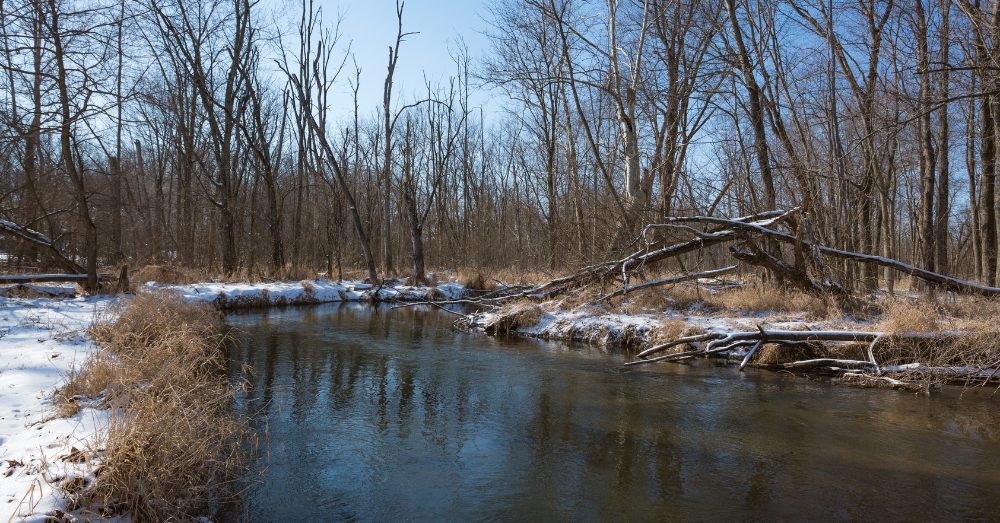
Most people store their kayaks and wait for spring, but they’re missing something good. Indiana’s rivers change completely when temperatures drop, offering peaceful walks, clear views, and wildlife you won’t see during warmer months. The White River winds through charming towns where winter brings a quieter kind of magic to the water’s edge. Read More

Adventure-Ready SUVs for Trails, Campsites, and Beyond

You know that feeling when Friday afternoon hits and all you want to do is load up the truck and disappear into the mountains? The right SUV makes that dream possible. These days, you don’t have to choose between comfort on the interstate and capability when the pavement ends.

  • Today’s adventure SUVs pack serious off-road hardware with daily-driver refinement
  • Ground clearance, locking diffs, and smart suspension tech separate the real trail runners from mall crawlers
  • 2025 brings fresh options from Toyota’s redesigned 4Runner to electric pioneers like Rivian

What Separates Real Adventure SUVs from Pretenders

Ground clearance tells you everything. This measurement – the space between your lowest hanging part and the dirt – determines what obstacles you can clear without expensive scraping sounds. Anything under 8 inches means you’re limited to gravel roads. Get above 10 inches and suddenly rock gardens become possible.

Approach and departure angles matter too. These numbers show how steep a hill you can climb or descend without kissing your bumpers goodbye. The steeper the angles, the more adventurous your weekend can get.

Smart engineers add skid plates, bash guards, and reinforced frames. When you’re 50 miles from cell service, reliability beats everything else.

Body-on-Frame Bruisers: Built for Business

2025 Toyota 4Runner: The Trail Legend Gets a Makeover

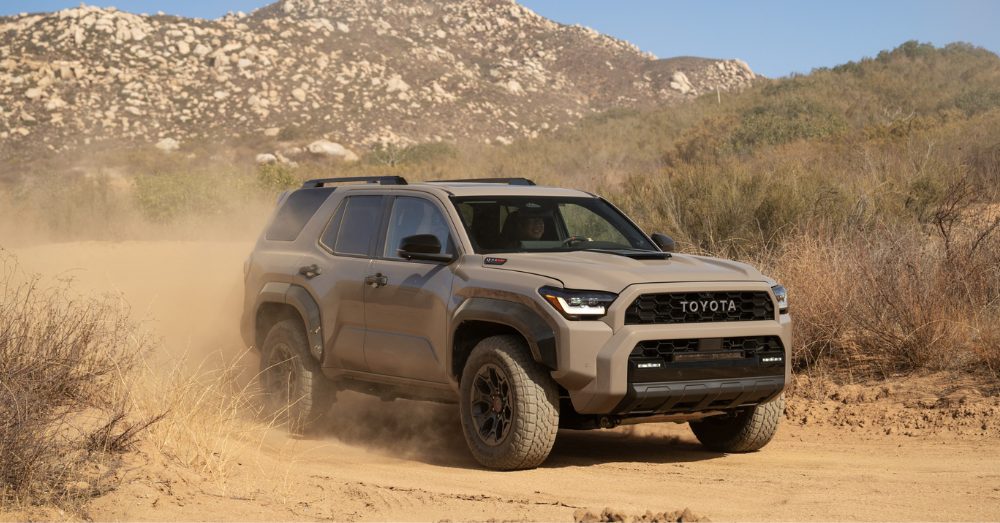
Toyota finally gave the 4Runner a complete rebuild for 2025, and they nailed it. Built on the same tough TNGA-F platform as the Tacoma and Tundra, this thing uses a high-strength steel ladder frame that laughs at rock impacts.

The new model delivers 10.1 inches of ground clearance – enough to clear most trail obstacles without sweating. With the rear seats down, you get 90.2 cubic feet of cargo space. That’s room for camping gear, mountain bikes, fishing equipment, or whatever adventure demands.

Here’s what I love about the 2025 version: Toyota added an onboard air compressor in the cargo area. Air down for sand or rocks, then pump back up for the highway drive home. No more hunting for gas stations with working air pumps. The 4Runner also comes with pre-wired auxiliary switches on the dashboard, ready for whatever lighting or winch setup you want to add later.

Drive through any mountain town and you’ll spot 4Runners everywhere. There’s a reason overlanders and weekend warriors stick with Toyota – these trucks run forever.

Ford Bronco: Proving the Hype Was Real

Ford’s Bronco comeback story keeps getting better. The Sasquatch package costs $8,460 but transforms the Bronco into a legitimate rock crawler. You get 35-inch mud tires, locking front and rear differentials, and clearance that lets you tackle trails that would strand most SUVs.

The Bronco Raptor takes everything up another level. With 37-inch tires and Fox racing shocks, it offers 13.1 inches of ground clearance. The suspension has 13 inches of travel up front and 14 in the rear. This isn’t just marketing talk – the Raptor can hit desert whoops at speed or crawl over boulders with equal confidence.

What makes the Bronco special is its modular design. Remove the doors and roof panels for the ultimate open-air experience. Manual transmission options let you control every gear change. It’s what happens when engineers get turned loose on a project they actually care about.

Jeep Wrangler: Still the Rock-Crawling King

The Wrangler remains the gold standard for hardcore trail work. The Xtreme 35-inch Tire package pushes ground clearance to 12.9 inches – taller than some pickup trucks. For 2025, the Wrangler 392 Final Edition comes with an 8,000-pound Warn winch, heavy-duty rock sliders, and those massive 35-inch BFGoodrich tires on beadlock-capable wheels.

Jeep people are a tribe. Wave at another Wrangler on the trail and you’ll probably get trail beta, recovery help, or at least a friendly conversation. That community aspect matters when you’re exploring remote areas.

Luxury Meets Capability

Land Rover Defender: Posh but Tough

The modern Defender pulls off a difficult trick – it’s genuinely luxurious inside while remaining seriously capable outside. Eight-person seating, premium materials throughout, and adult-sized space in all three rows. Yet it still offers 11.5 inches of ground clearance with the air suspension maxed out.

Standard equipment includes four-wheel drive, two-speed transfer case, and hill descent control. The air suspension automatically adjusts ride height based on terrain. Wade sensing tells you when water gets too deep. This is the SUV for people who want to arrive at base camp in style.

Full-Size Family Haulers

The GMC Yukon AT4 and Chevy Tahoe Z71 prove big families don’t have to skip the adventure. Both offer magnetic ride control dampers, four-corner air suspension, and 33-inch all-terrain tires. Independent rear suspension smooths the ride for passengers while still providing articulation over rocks.

These trucks excel at hauling large groups to trailheads or towing boat trailers to remote lakes. The air suspension adjusts automatically for heavy loads.

Electric Power Hits the Trails

Rivian R1S: Silent but Deadly Capable

Electric adventure vehicles seemed impossible just five years ago. The Rivian R1S proves otherwise. With 410 miles of range, you can reach remote locations and still have juice for the drive home. The air suspension delivers nearly 15 inches of ground clearance – more than any other SUV on this list.

Electric motors provide instant torque at any RPM, perfect for rock crawling. The silence opens new possibilities too. You can approach wildlife without engine noise or set up camp without disturbing the peace.

GMC Hummer EV: Brute Force Goes Electric

The Hummer EV with Extreme Off-Road package brings electric power to serious trail work. Locking differentials front and rear, full underbody armor, and even cameras underneath the truck help you navigate tight spots. Four-wheel steering with “crab walk” mode lets you move diagonally – handy for tight trail maneuvers.

Mid-Size Sweet Spots

Honda Pilot TrailSport: Family Adventure Made Easy

Honda built its most capable SUV ever with the Pilot TrailSport. Nearly an inch more ground clearance than standard models, steel skid plates protecting vital components, and a factory trailer hitch rated for 5,000 pounds. The TrailWatch camera system shows you exactly where your tires are going – perfect for navigating rocky sections.

Seven drive modes adapt the vehicle to different conditions. Snow mode for winter camping trips, Sand mode for beach access, Trail mode for forest roads. The i-VTM4 all-wheel drive system sends power where you need it most.

Subaru Outback Wilderness: The Sensible Choice

At 9.5 inches of ground clearance, the Outback Wilderness handles more terrain than you might expect. Standard all-wheel drive, improved approach and departure angles, and all-terrain Yokohama tires let it tackle forest roads and mild trails with confidence.

Subaru reliability means fewer worries about breakdowns far from civilization. The Wilderness comes with a full-size spare tire and reinforced bumpers designed for light off-road contact.

Matching Your Real Adventure Style

Be honest about how you actually spend weekends. Most people drive to established campgrounds on maintained dirt roads. A well-equipped crossover like the Outback Wilderness handles that perfectly while delivering better fuel economy and highway manners.

Serious overlanders heading into remote backcountry need body-on-frame construction, low-range gearing, and locking differentials. These features matter when you’re 100 miles from the nearest tow truck.

Think about your typical trip. Do you haul a travel trailer? Need to sleep in the vehicle? Want to bring mountain bikes or kayaks? Plan to do any actual rock crawling? Your answers determine which features matter most.

Here’s what ground clearance actually means in practice: 8.5 inches handles gravel roads and mild forest trails. 9-10 inches opens up moderate four-wheel drive trails. Above 10 inches lets you tackle rocky terrain and deep ruts. More than 11 inches gets you into serious technical trail territory.

The Reality Check

Today’s adventure SUVs deliver capability previous generations could only dream about. The redesigned 4Runner brings modern refinement to proven truck-based toughness. Electric options like the Rivian R1S push boundaries in new directions. Even family haulers like the Honda Pilot TrailSport pack genuine off-road hardware.

Your choice comes down to matching capability with actual use. Don’t buy a rock crawler if you mostly camp at state parks. Don’t settle for a pavement princess if real adventure calls your name.

The good news? Nearly every option on this list handles both weekend trail duty and weekday commuting better than ever before. Modern suspension technology, refined interiors, and smart engineering mean you’re not sacrificing comfort for capability.

Pick your adventure, then pick your SUV. The trails are waiting.

Conclusion

The 2025 adventure SUV landscape offers something for every type of outdoor enthusiast. Toyota’s completely redesigned 4Runner brings modern tech to time-tested truck underpinnings. Ford’s Bronco lineup proves revival stories can have happy endings. Electric pioneers like Rivian show us the future of silent, capable exploration. Even mainstream options like the Honda Pilot TrailSport pack serious off-road hardware. Your choice depends on honest assessment of how you actually adventure – weekend car camping calls for different tools than serious backcountry exploration. But here’s the best part: today’s adventure SUVs handle highway miles and trail miles with equal competence. Choose based on where you really go, not where you imagine going, and you’ll find a vehicle that expands your outdoor possibilities while keeping daily life comfortable.

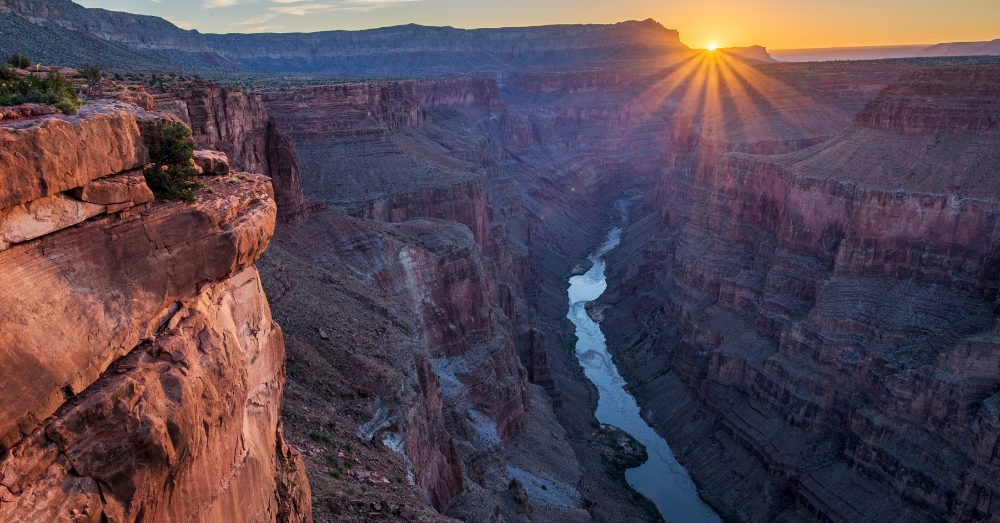
Two Canyons, One Big Question: How Does Palo Duro Compare to the Grand Canyon?

The Grand Canyon may steal most of the spotlight, but it’s not the only awe-inspiring canyon in the U.S. Out in the Texas Panhandle, just a short drive from Amarillo, TX, Palo Duro Canyon holds its ground as the second-largest canyon in the country. While it may not match Arizona’s famed landmark in sheer size, it has its own kind of charm that draws travelers looking for fewer crowds and more intimacy with the land.

So, how do these two natural wonders really compare? It depends on what you’re looking for. Read More